E&H Tanzanian Adventures Logo
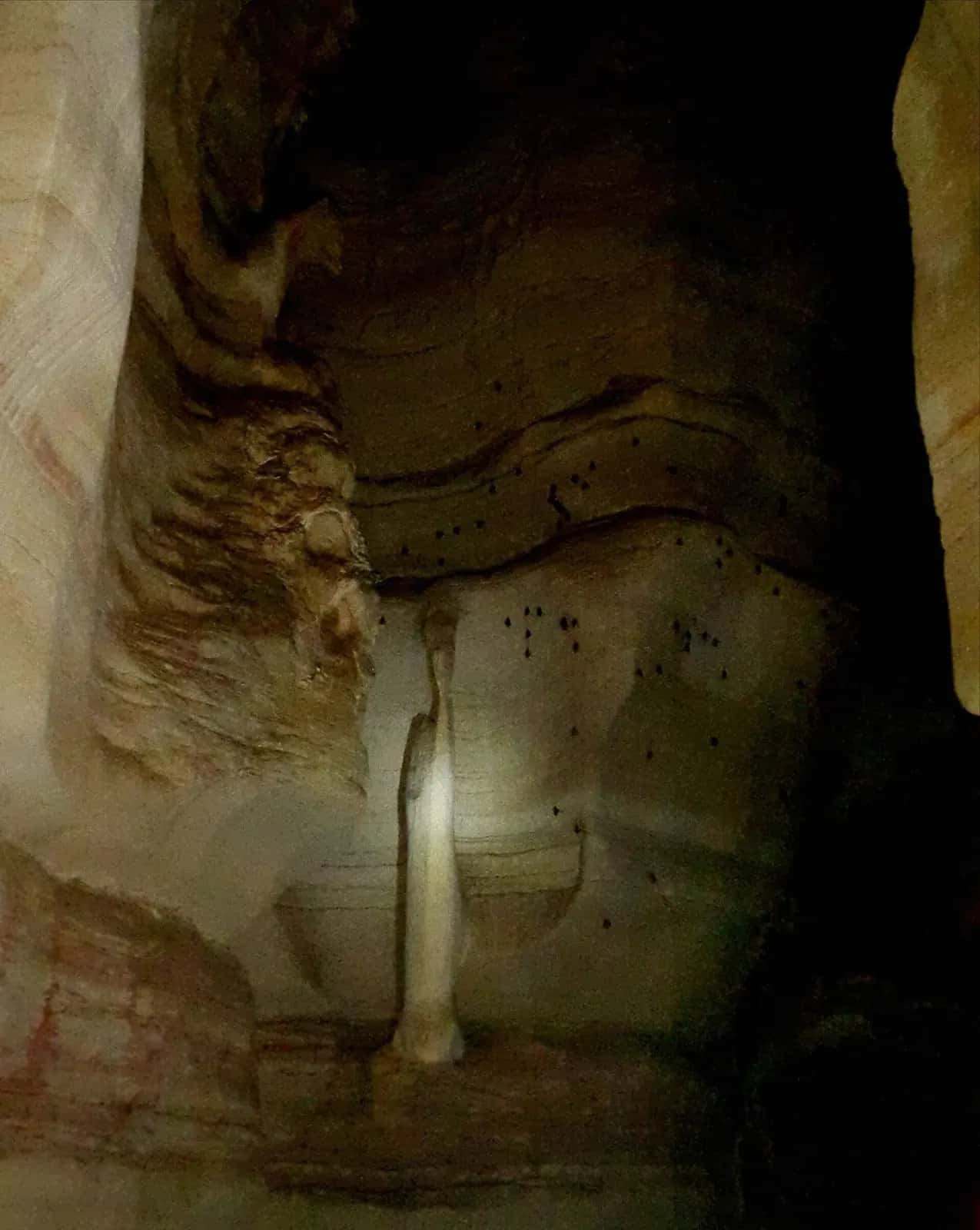
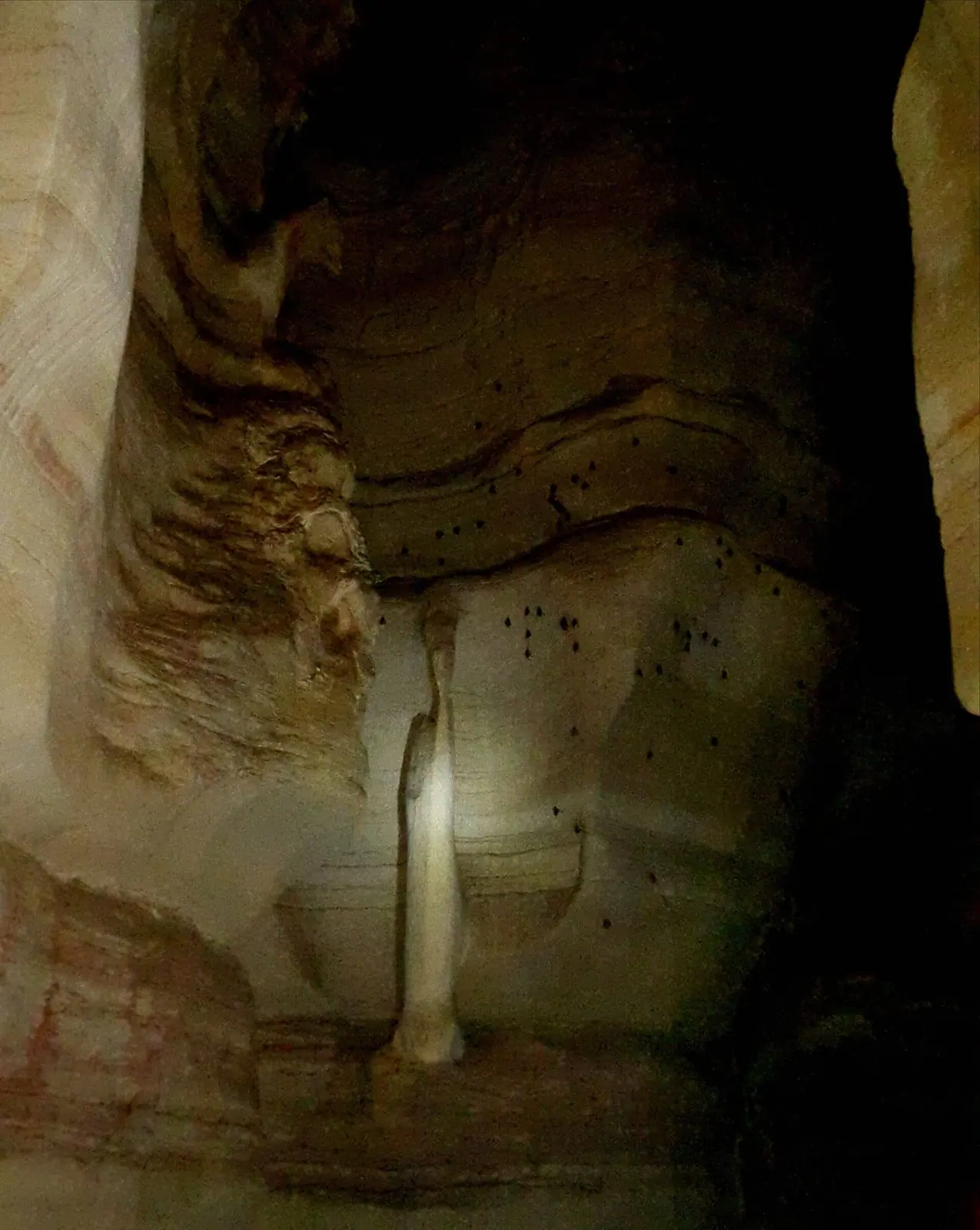
Torch-lit limestone chamber with a stalagmite column inside the Amboni Caves near Tanga
Mining Tourism

Tanga, where the ground is the attraction

Caves you can walk, a gem valley that produced the first rubies anyone in Tanzania found, and dealers who write the stone down before they take your money. This is what is real, and what is not.

Why we start here

Every safari company in the north can take you to an animal. Fewer can take you to the ground. Tanga Region has limestone caves eight kilometres from the city it is named after, a gem belt in the Umba Valley that has been worked for three generations, and a trade in cut stones that runs on licences and invoices rather than on charm.

It also has enough myth attached to it that the honest version is worth writing down. Most of what gets sold as a “mine tour” in this part of the world is a shop window. So the list below says which door opens, which one needs a letter from the Regional Mining Officer first, and which ones we walk past entirely.

Nothing here is offered as a guaranteed visit. Where access depends on somebody else’s permission, we apply before you travel and tell you the answer, not hope you do not ask.

Amboni Caves

Open to visitors

About 8 km north of Tanga city, off the Moshi road at Kiomoni

The most extensive limestone cave system in East Africa, in a hill that is quarried for cement at the same time.

Torch-lit chambers and stalagmite columns on a paved walk, with a cave guide, bat colonies at the mouths and Later Stone Age finds and rock art recorded around them.

Umba Valley

Written approval first

Up from Tanga through Korogwe, near the Usambara foothills

Tanzania’s oldest coloured-gem district: ruby found there in the 1950s, and a valley better known since for sapphire, with emerald and garnet workings alongside.

Dealer tables, cutting shops and the country the stones come out of. Standing on working ground needs the Regional Mining Officer’s approval, applied for before you travel, and much of the working is artisanal and seasonal.

Tanga mineral dealers

Trade premises

Tanga city

Where Umba and hinterland stones are bought, sold and cut, on licensed premises.

A morning at the dealers’ tables and a lapidary bench, with the invoice issued in the room rather than promised afterwards.

Maweni limestone and cement

Not a visitor site

Outside Tanga, on the same limestone ground as the caves

A working cement plant on Tanga’s limestone, listed in the USGS Minerals Yearbook among the country’s cement plants with a capacity around 1.6 million tonnes a year.

We explain it from the road and answer questions about how the rock got there. A factory floor is the plant’s call, and it is usually no.

Kalalani

Not a visitor site

Umba district

The emerald pit that made this valley famous outside Tanzania, which stopped working in 1994.

Country you can walk and a story worth telling properly. There is no mine here to tour, and we do not sell the gate as one.

Usambara bauxite

Not a visitor site

Amani and Magamba, in the Usambara hills above Tanga

Aluminium-rich weathering profiles that the government’s own mineral survey lists as a resource rather than an operation.

The Amani forest is the reason to go, and it is a genuine half-day. The bauxite is soil you are told about, not a pit you are taken to.

What the valley actually produces

Four families of stone, and the one name everybody asks for that belongs to a different region entirely.

Ruby
Umba Valley
The discovery that put the valley on the map in the 1950s. Colour is the whole argument; most Umba ruby is heated, and the dealer has to say so.
Sapphire
Umba Valley
What the district is actually best known for producing, in blue and in fancy colours, and the better value on the same tables.
Emerald
Umba district, including the old Kalalani ground
Small, included crystals. Clearer than a Zambian stone at the same size is rare, so judge colour and cutting, not cleanliness.
Garnet
Tanga region
Rhodolite and the material dealers call Tanga garnet, with tsavorite recorded in the same wider region. The least expensive way to leave with something good.
Tanzanite
Merelani Hills, Manyara region
Not from Tanga. It comes out of one small belt of country near Manyara, several hours south-west, and no dealer here should be able to tell you otherwise.
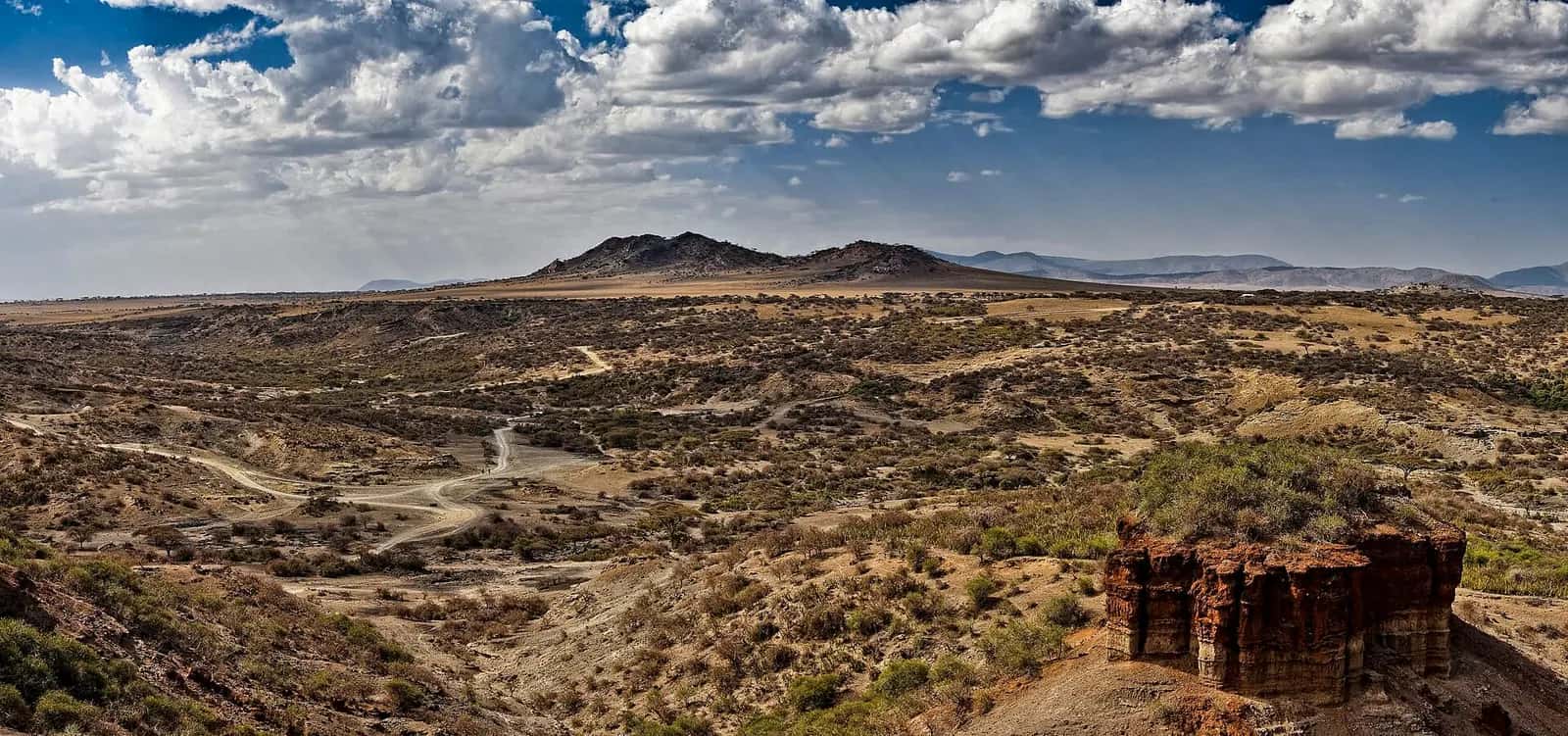
Layered rock walls at Olduvai Gorge

What a lawful purchase gives you

  1. 1. A licensed dealer, not a runner. Gems may only be exported by an authorised miner or by someone holding a dealer’s or broker’s licence. Buy from the licensed party and the paperwork exists; buy from the man who brings stones to your hotel and it does not.
  2. 2. An invoice that describes the stone. Date, mineral name, weight, the dealer’s details and where the stone came from. This is the document an export officer reads, and the one your own customs officer may ask for.
  3. 3. An export permit for what leaves. Filed by the dealer for anything going out of the country, with the royalty or export charge itemised separately rather than buried in the price of the stone.
  4. 4. Cut and polished, not rough. Tanzania bans the export of raw minerals and has reaffirmed that enforcement repeatedly. What travels home with you is faceted or carved, valued and declared.

What we will not promise

  • We cannot promise a working mine on any given week. Much of the Umba working is artisanal and seasonal, and Kalalani has been shut since 1994.
  • We cannot promise a certificate. There is no independent gem-laboratory report we can obtain inside Tanzania as you buy; a real identification report comes from abroad and takes weeks.
  • We cannot take you to a factory floor. The cement plant and the bauxite ground are industrial and research sites, not visitor attractions.
  • We do not sell gems as an investment. A coloured stone is a purchase you enjoy; the resale market in Tanzania is thin and the price you paid is the price you will get.
  • Prices are the dealer’s. We arrange the visit and check that the paperwork is right; we do not set the numbers or take a cut from the stone.

The trip built around this

4 Days · Tanga, Gems and Caves

Limestone caves, the Tanga mineral market, a lapidary bench and the Umba gem belt, in the order a visitor can actually do them. Built around licensed premises and a dealer's paperwork, not a promise to walk onto a pit.

  • Day 1. Down to Tanga. Fly or drive the coast road to Tanga, then eight kilometres north to the Amboni Caves — a limestone system walked with a torch and a licensed guide, with rock art at the mouth.
  • Day 2. The mineral market. A morning in Tanga where Umba stones change hands at licensed dealers' tables, with the paperwork issued in the room rather than promised later.
  • Day 3. Umba country. Up the escarpment through Korogwe into the Umba Valley — the ruby, sapphire and garnet belt. Whether you stand on working ground depends on the Regional Mining Officer's approval, which we apply for before you travel.
  • Day 4. Cutting, invoices and the drive out. A lapidary session with a cutter, then the dealer's paperwork on anything you bought: date, mineral, weight, who it came from and where it is going. Transfer out of Tanga or to the airport.

Tanga · Coastal Circuit · 4 Days · 2–8 people · priced on request

Buying a stone

Cut stones, set jewellery, rough for a display shelf and carvings from Makonde workshops are listed at the shop, each with the rule that governs it.

Open the shop

Where these facts come from

Everything above is checked against published sources rather than remembered from a brochure. If one of them changes, this page should change with it.

Ask before you buy

Send us the photograph of the stone you were offered, and we will tell you what the paperwork should have said.

That advice is free whether you book with us or not. It is the part of this trade that most visitors get least of.

WhatsApp