
Kitulo National Park
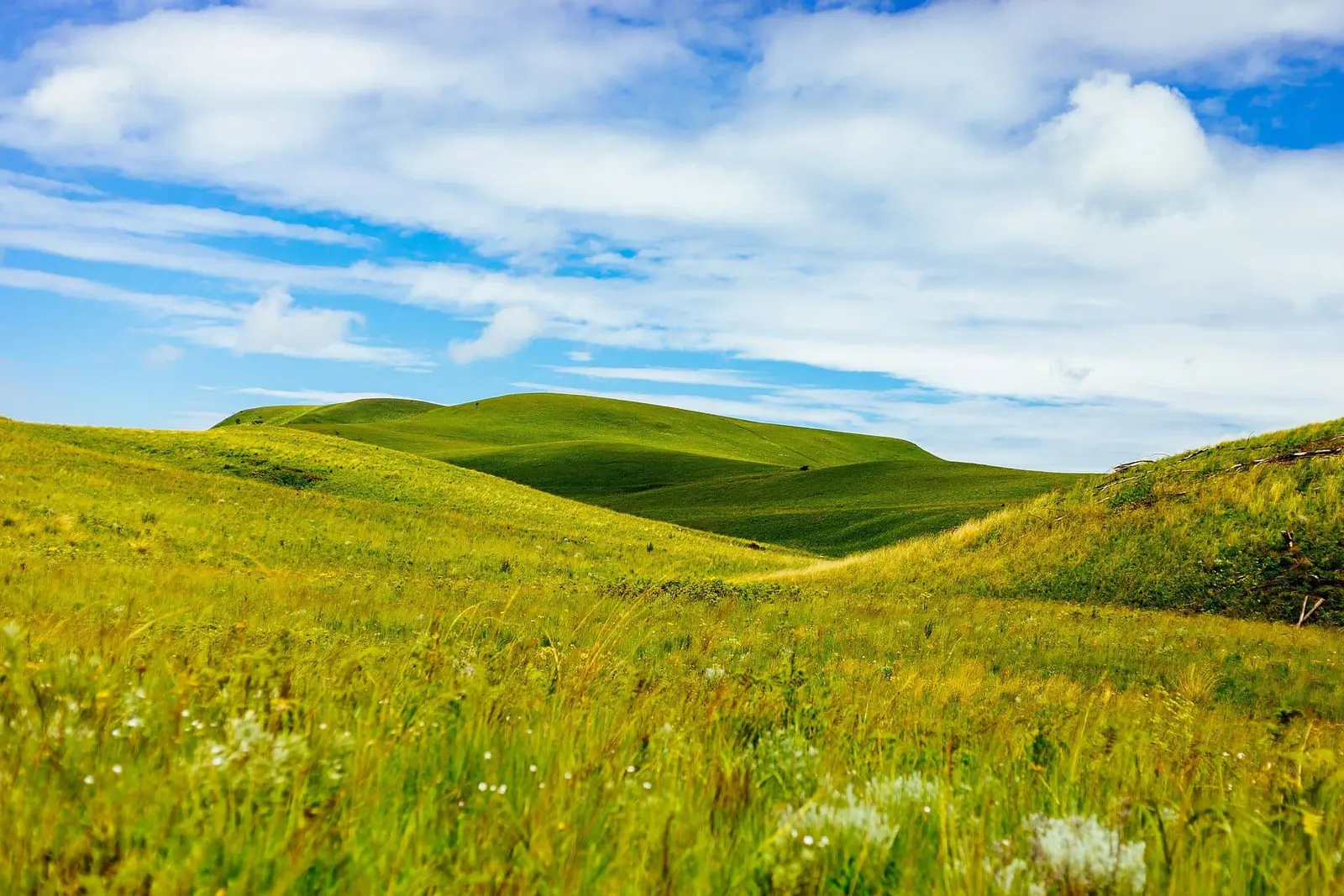
The 'Park of Flowers': a high plateau above Mbeya that turns violet and gold in the rains, and holds plains game with almost nobody watching.
What you come here for
- Eland, zebra and roan antelope walking across the plateau grass
- More than 350 species of flowering plants, including over 35 orchids
- The Kipunji monkey, described as a new genus only in 2005, in the forest below the plateau
- Marsh antelope in the seasonal dambo wetlands
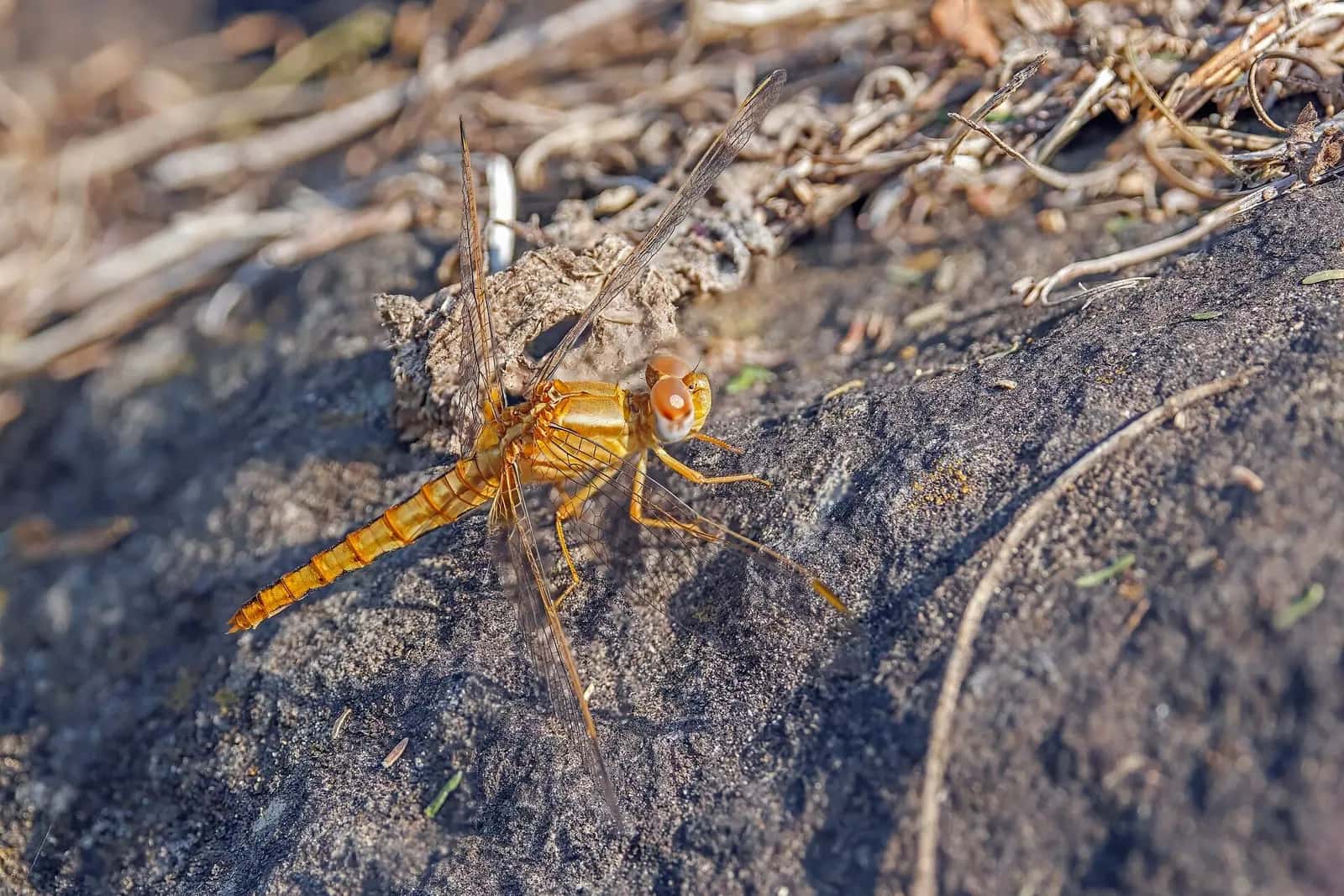
- Highland birds, and in the flower months the insects the plateau is known for
Established
Gazetted in the early 2000s as the flower park
Size
About 540 km² on the Heijuk plateau
Altitude
Roughly 2,100 to 2,600 m, so the nights are cold
Getting in
Road from Mbeya and Chimala; the park is a short drive beyond them
Best time
December to April for the flowers; the dry months are brown grass and easier light
The shaded block is the boundary as it is mapped; the inset is the whole country, so you can see how far this is from anywhere else. Boundaries are indicative at this scale, not survey data.
On the map
Where Kitulo National Park sits
Kitulo National Park is part of the Southern Circuit, which is how we usually build it into a route rather than visiting it on its own.
Nearby, on the same circuit
- Established
- Gazetted in the early 2000s as the flower park
- Size
- About 540 km² on the Heijuk plateau
- Altitude
- Roughly 2,100 to 2,600 m, so the nights are cold
- Getting in
- Road from Mbeya and Chimala; the park is a short drive beyond them
The animals
Who lives here, and what to look for
7 of the animals we track across Tanzania are recorded in Kitulo National Park. What each one means on an actual drive is below — this is what your guide is scanning for.
Big cats
Cheetah
Short grass of the Serengeti plains and the open Ndutu area are the best hunting theatre.
Rare & hard to see
Sable & roan antelope
Ruaha woodland is the classic place for sable; both are absent from the northern circuit parks.
Serval
Dawn and dusk on the short-grass plains; they hunt rodents by sound, so watch them tilt their heads.
Mongoose & meerkats
Banded and dwarf mongoose live in the kopjes; see them standing sentry on a termite mound.
Butterflies & pollinators
Kitulo is called the Serengeti of Flowers for a reason: in the green season its plateau runs to thousands of orchids and the butterflies that follow them.
Herds & grazers
Plains zebra
Part of the two-million-animal migration loop; calving happens on the southern plains in February.
Birds
Grey crowned crane
The national bird of Tanzania, dancing in the highland grasslands around Kitulo.
When to visit
December to April for the flowers; the dry months are brown grass and easier light. These are the months our season planner already puts animals or conditions here:
What to do here
Safaris that include Kitulo National Park
Questions people ask about Kitulo National Park
Put Kitulo National Park into a real itinerary
Tell us who is travelling and when. We build the route around where the animals are standing that week, and price it properly — no hidden park fees at the gate.