
Arusha National Park
The gateway to Tanzania's northern circuit, offering diverse landscapes from lush forests to the dramatic Ngurdoto Crater and alkaline Momella Lakes.
What you come here for
- Black rhino, one of the few places in Tanzania where they are relatively settled
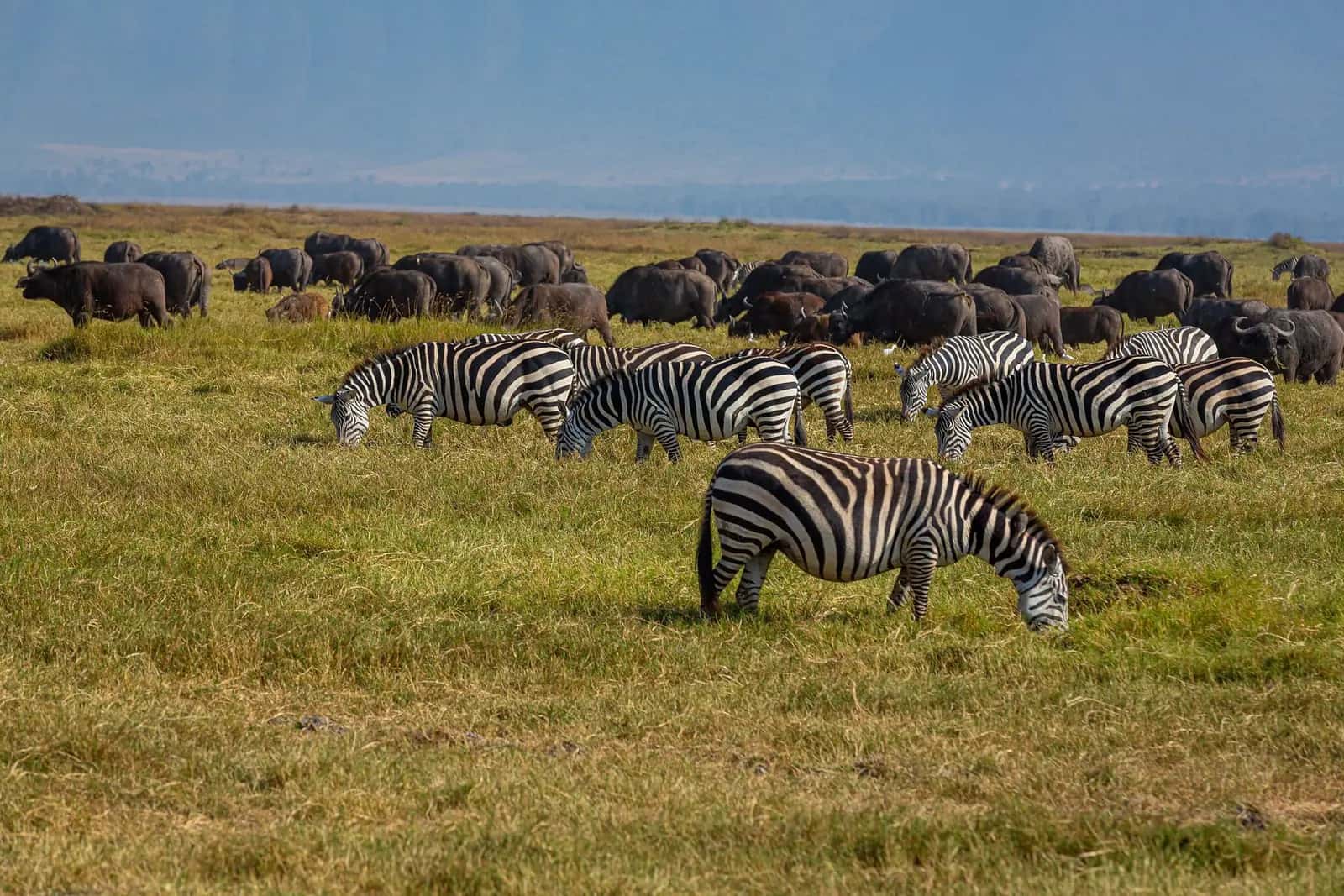
- Zebra, buffalo, giraffe and the small antelope of the Momella wetlands
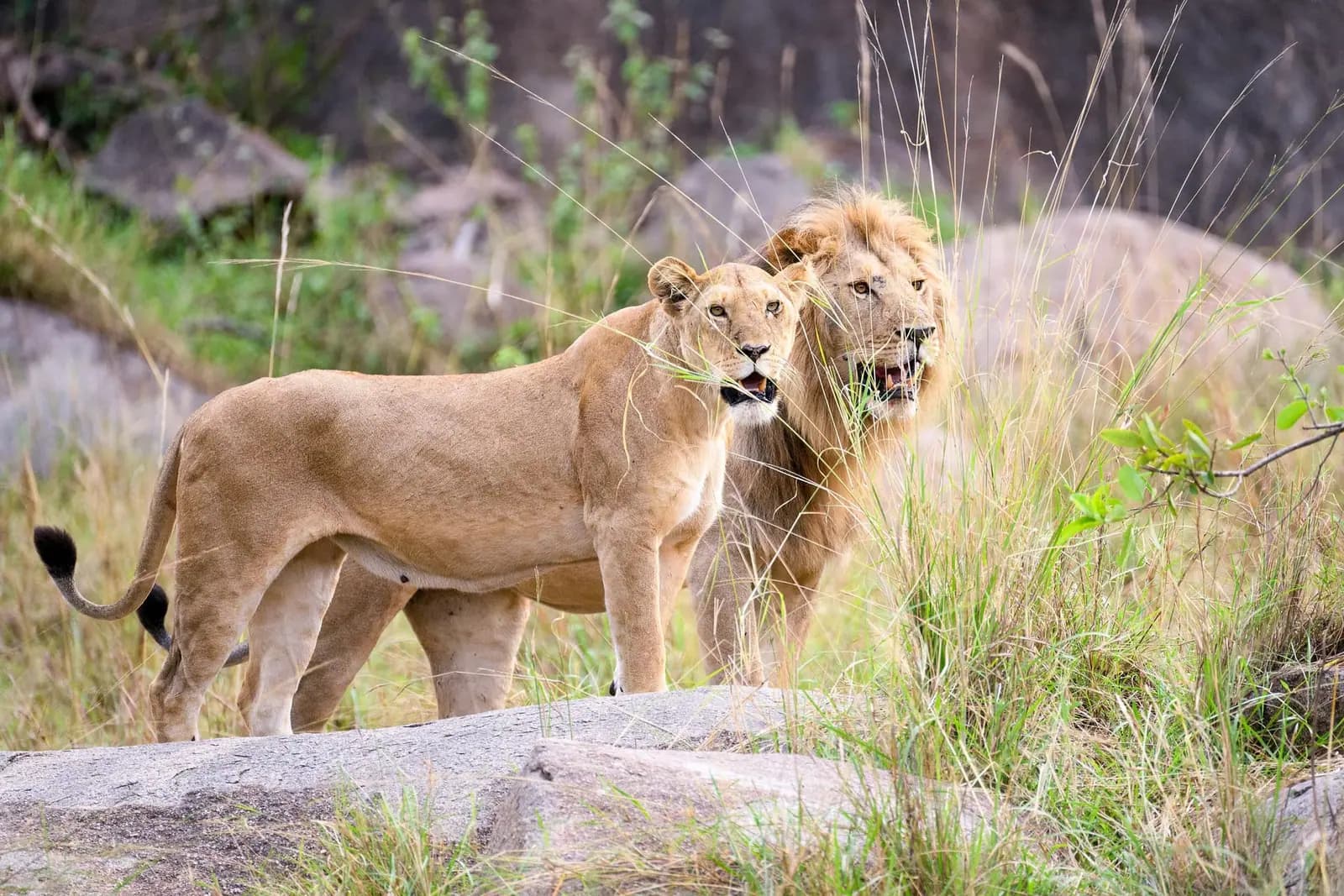
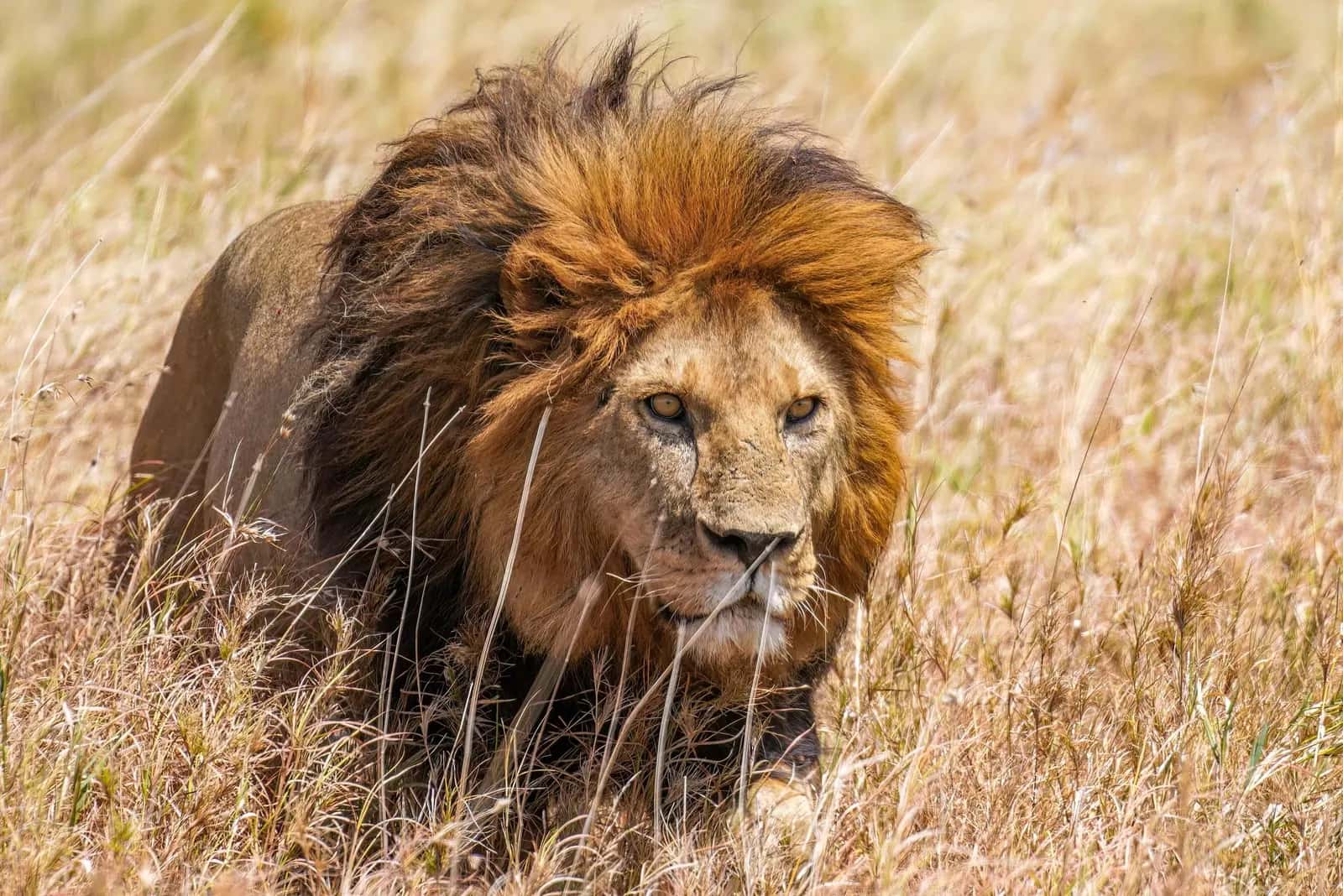
- Leopard and lion on the Mount Meru slopes
- Flamingo and thousands of waterbirds on the Momella Lakes
- Black-and-white colobus in the foothill forest
Established
1960, Tanzania’s oldest national park
Size
About 137 km²
Mount Meru
4,566 m, the second-highest in Tanzania
Location
Directly above Arusha town, 25 minutes from the centre
Best time
June to February
The shaded block is the boundary as it is mapped; the inset is the whole country, so you can see how far this is from anywhere else. Boundaries are indicative at this scale, not survey data.
On the map
Where Arusha National Park sits
Arusha National Park is part of the Northern Circuit, which is how we usually build it into a route rather than visiting it on its own.
Nearby, on the same circuit
- Established
- 1960, Tanzania’s oldest national park
- Size
- About 137 km²
- Mount Meru
- 4,566 m, the second-highest in Tanzania
- Location
- Directly above Arusha town, 25 minutes from the centre
The animals
Who lives here, and what to look for
9 of the animals we track across Tanzania are recorded in Arusha National Park. What each one means on an actual drive is below — this is what your guide is scanning for.
Big cats
Lion
Serengeti and Ruaha hold the biggest populations; Ngorongoro is the most reliable place to see them any day of the year.
Leopard
Lake Manyara is famous for leopards that climb into sausage trees; everywhere else they are nocturnal and shy.
Rare & hard to see
Butterflies & pollinators
Kitulo is called the Serengeti of Flowers for a reason: in the green season its plateau runs to thousands of orchids and the butterflies that follow them.
Honey bees
Beekeeping and forest honey visits are run with village cooperatives around the Udzungwa and Ngorongoro highlands.
Primates
Olive baboon
Troops of two hundred cross the road at Ngurdoto Crater almost on schedule.
Herds & grazers
Elephant
Tarangire is named for them; herds of a hundred gather on the river between June and November.
Cape buffalo
Huge herds move through the crater floor and the Tarangire riverine forest year-round.
Birds
Greater & lesser flamingo
They read the soda lakes as one pink line. Lesser flamingos eat spirulina algae in the alkaline shallows; the count peaks after the short rains, roughly November to April, when the lakes widen.
Weaver & kingfisher
Tarangire alone records over 550 species; the wet season from November to April is when the migrants arrive.
When to visit
June to February. These are the months our season planner already puts animals or conditions here:
What to do here
Safaris that include Arusha National Park
Questions people ask about Arusha National Park
Put Arusha National Park into a real itinerary
Tell us who is travelling and when. We build the route around where the animals are standing that week, and price it properly — no hidden park fees at the gate.