
Serengeti National Park
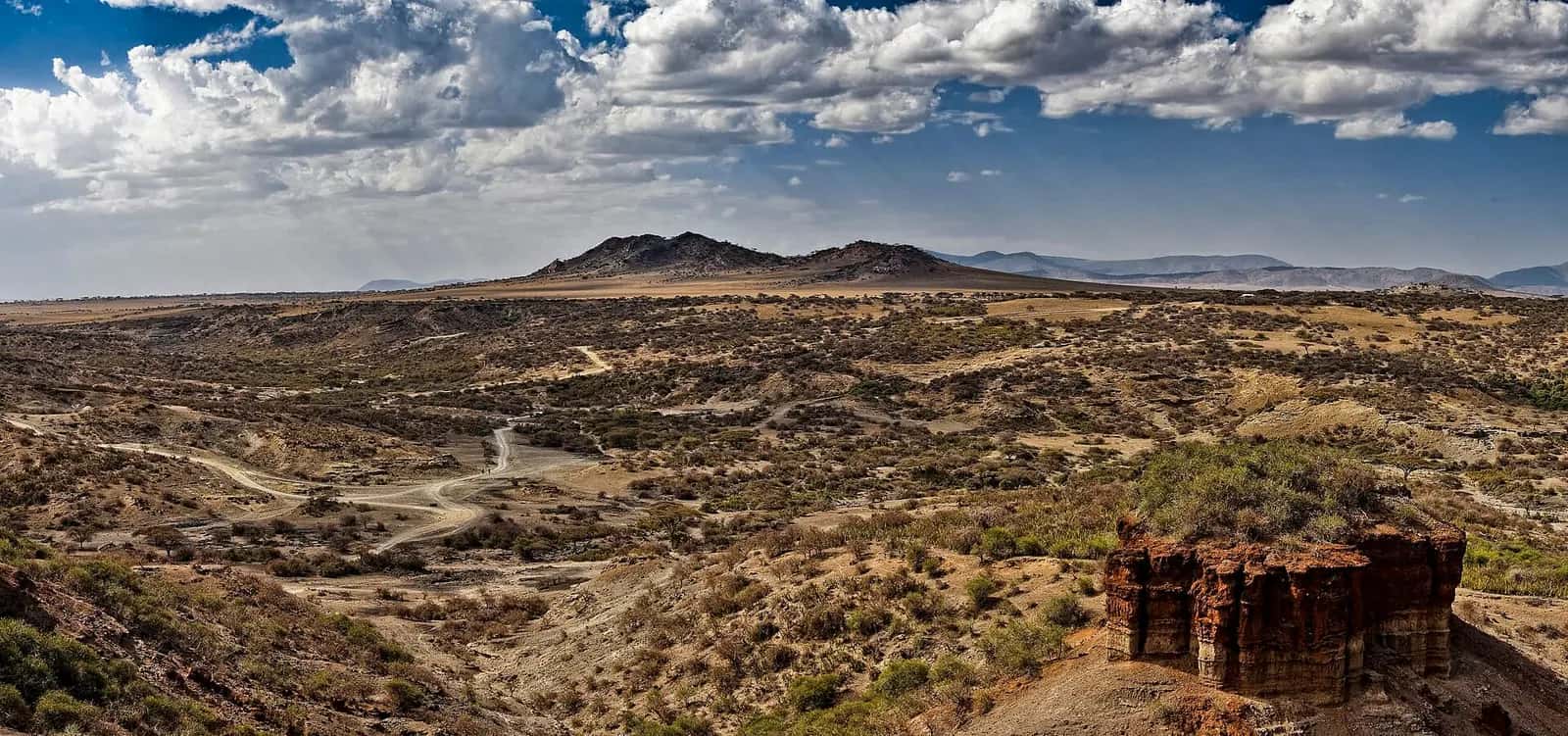
The crown jewel of African safaris, famous for the annual Great Migration and its vast, endless plains teeming with predators.
What you come here for
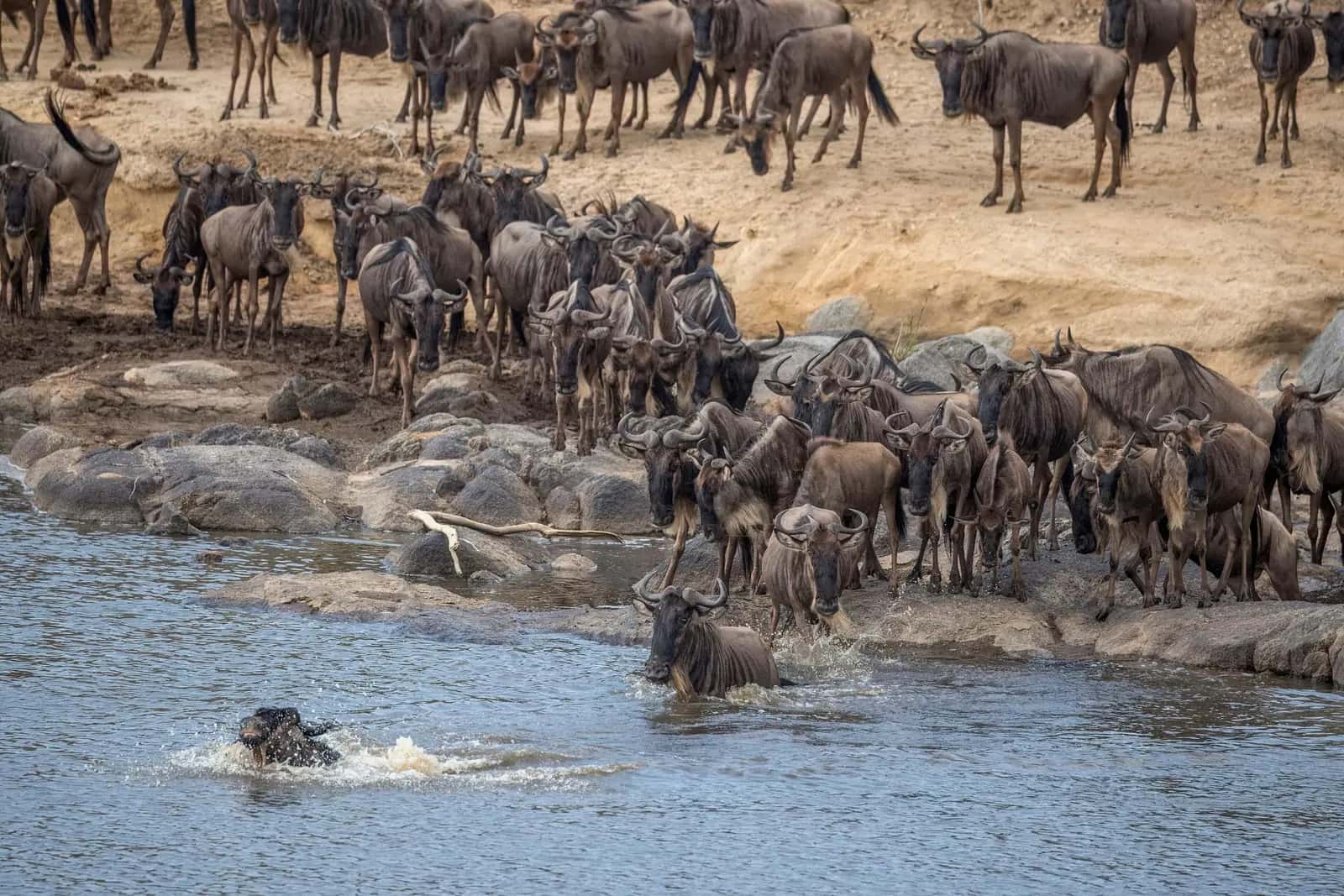
- Wildebeest and zebra, roughly 1.5 million animals moving through the ecosystem
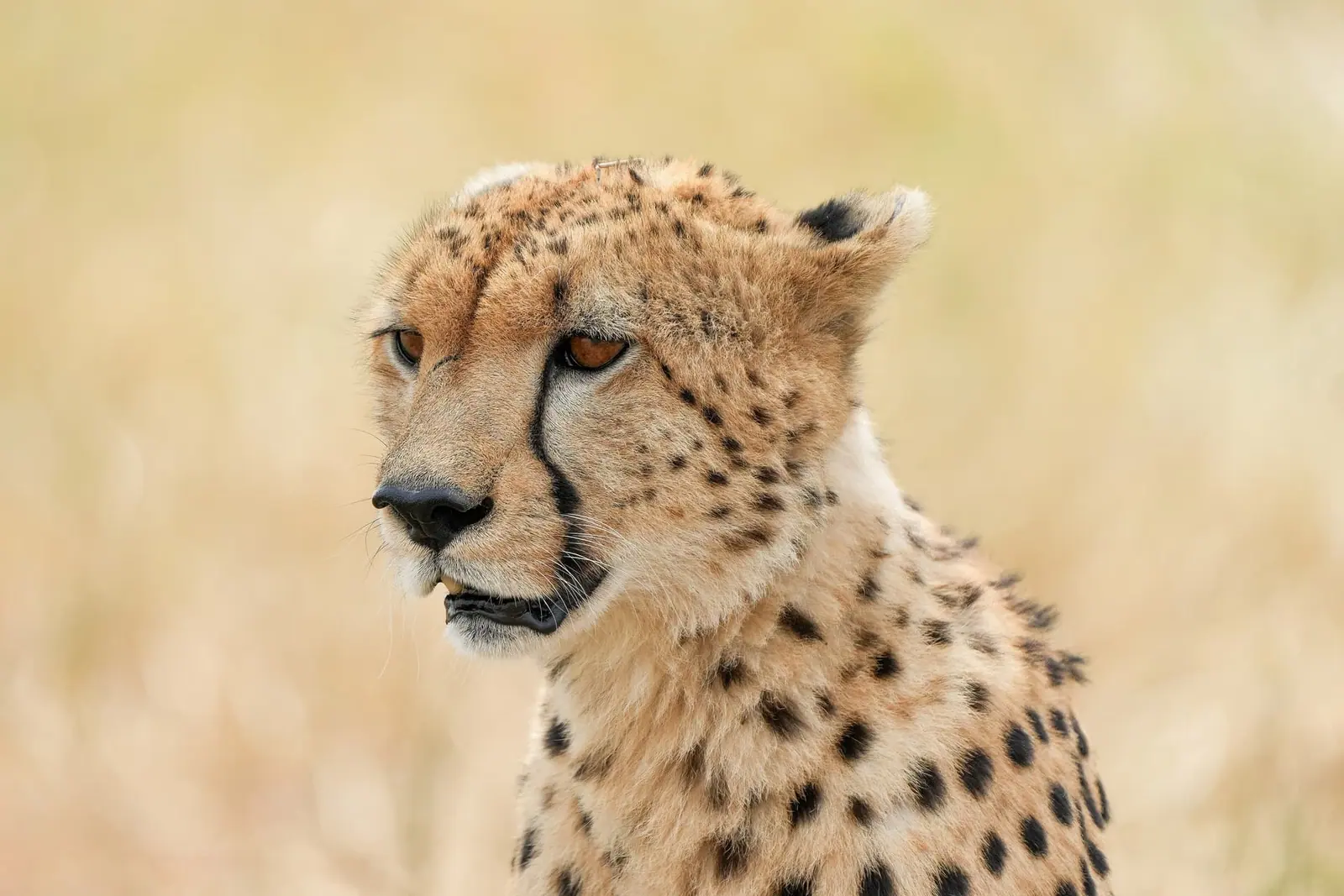
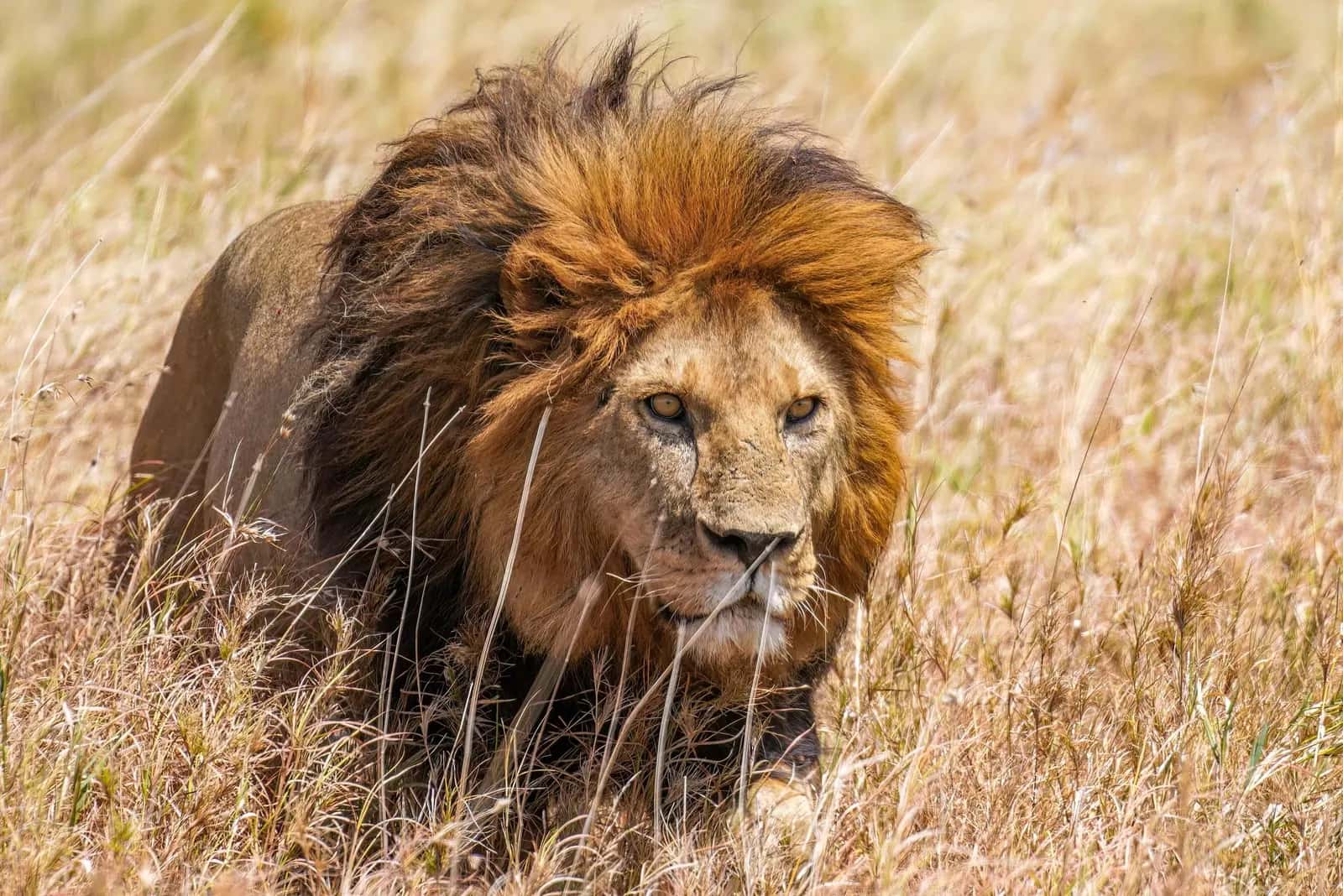
- Lion, leopard and cheetah at their densest in the Seronera and Moru Kopjes area
- Crocodile and hippo in the Seronera, Grumeti and Mara rivers
- Elephant, buffalo and both black and white rhino, mostly around the western corridor
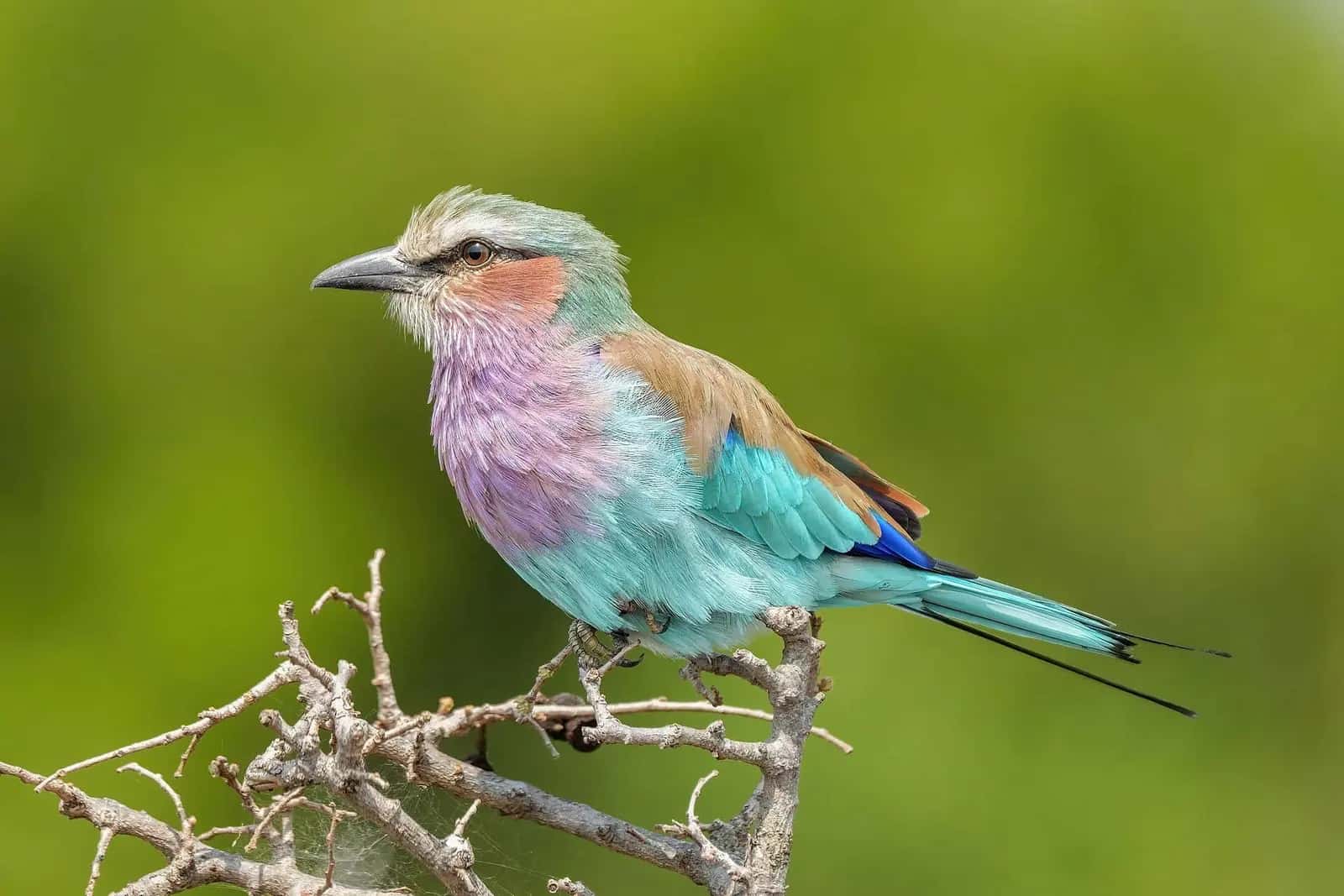
- Over 500 bird species, including kori bustard, secretary bird and lilac-breasted roller
Established
National park since 1951
Size
About 14,750 km²
Status
UNESCO World Heritage Site
Nearest airstrip
Seronera, with daily flights from Arusha and Kilimanjaro
Best time
Year-round; June to October for the river crossings, January to February for calving
The shaded block is the boundary as it is mapped; the inset is the whole country, so you can see how far this is from anywhere else. Boundaries are indicative at this scale, not survey data.
On the map
Where Serengeti National Park sits
Serengeti National Park is part of the Northern Circuit, which is how we usually build it into a route rather than visiting it on its own.
Nearby, on the same circuit
- Established
- National park since 1951
- Size
- About 14,750 km²
- Status
- UNESCO World Heritage Site
- Nearest airstrip
- Seronera, with daily flights from Arusha and Kilimanjaro
The animals
Who lives here, and what to look for
20 of the animals we track across Tanzania are recorded in Serengeti National Park. What each one means on an actual drive is below — this is what your guide is scanning for.
Big cats
Lion
Serengeti and Ruaha hold the biggest populations; Ngorongoro is the most reliable place to see them any day of the year.
Leopard
Lake Manyara is famous for leopards that climb into sausage trees; everywhere else they are nocturnal and shy.
Cheetah
Short grass of the Serengeti plains and the open Ndutu area are the best hunting theatre.
African wild dog
Ruaha is the strongest chance in the country; packs den between late February and April.
Rare & hard to see
Black rhinoceros
The crater floor carries a small, closely guarded family group — the most dependable place to see one.
Serval
Dawn and dusk on the short-grass plains; they hunt rodents by sound, so watch them tilt their heads.
Mongoose & meerkats
Banded and dwarf mongoose live in the kopjes; see them standing sentry on a termite mound.
Primates
Olive baboon
Troops of two hundred cross the road at Ngurdoto Crater almost on schedule.
Rivers & lakes
Hippopotamus
The Tarangire and Ruaha rivers are loud with them at dusk as they leave the water to graze.
Nile crocodile
The Mara River crocodiles are the ones that wait for the wildebeest crossing in July and August.
Waterbuck & reedbuck
Always within a few hundred metres of water; the Nyerere floodplain holds the largest numbers.
Herds & grazers
Elephant
Tarangire is named for them; herds of a hundred gather on the river between June and November.
Cape buffalo
Huge herds move through the crater floor and the Tarangire riverine forest year-round.
Giraffe
The Masai giraffe of the Serengeti and the reticulated giraffe around Tarangire look different up close.
Plains zebra
Part of the two-million-animal migration loop; calving happens on the southern plains in February.
Wildebeest
The engine of the migration — follow the herds from Ndutu in February to the Mara River in July and August.
Topi
Standing shoulder to shoulder on the short green grass of the southern plains.
Birds
Grey crowned crane
The national bird of Tanzania, dancing in the highland grasslands around Kitulo.
Fish eagle & large raptors
A fish eagle calls over almost every water body in the country — the sound of an African morning.
White-backed & hooded vulture
They gather where the migration is crossing, and nest on the cliff forests of the Ngorongoro escarpment.
When to visit
Year-round; June to October for the river crossings, January to February for calving. These are the months our season planner already puts animals or conditions here:
Tens of thousands of wildebeest calve within days across the Ndutu grasses, and every predator in the ecosystem gathers for the easiest season of the year.
27°C · Short rains easing · crowds High
The herds hold the southern plains, so lions, cheetah and leopard hunt in the open from dawn to dusk rather than waiting in cover.
28°C · Dry · crowds High
The long rains begin to push the herds toward the Western Corridor, while the lakeshore forests of Gombe and Mahale come alive with chimpanzees.
29°C · Long rains begin · crowds Shoulder
What to do here
Safaris that include Serengeti National Park
Priced
on request
priced per departure
Questions people ask about Serengeti National Park
Put Serengeti National Park into a real itinerary
Tell us who is travelling and when. We build the route around where the animals are standing that week, and price it properly — no hidden park fees at the gate.