
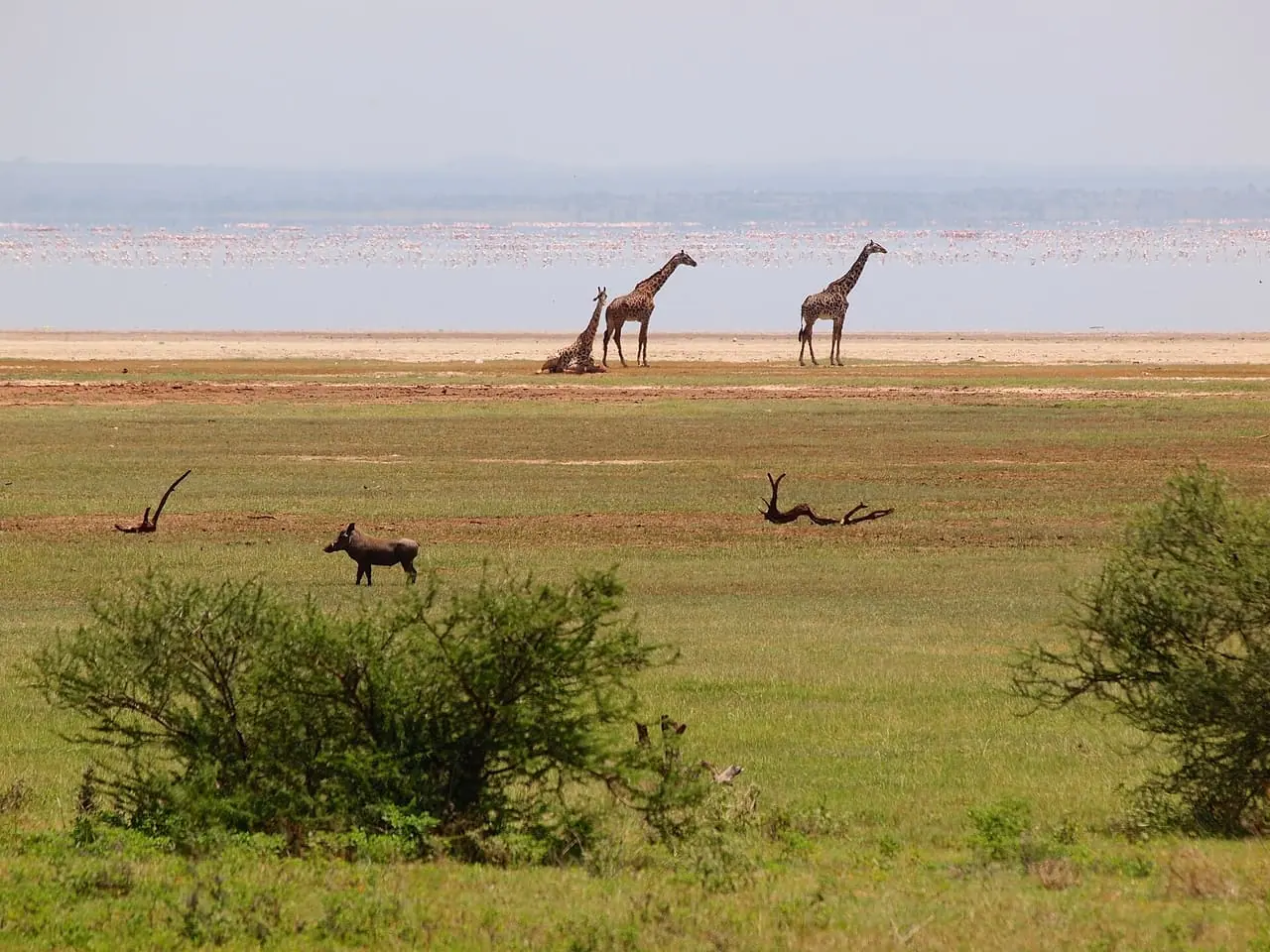
Lake Manyara National Park
A scenic gem stretching along the base of the Rift Valley escarpment, known for its tree-climbing lions and flamingo-filled soda lake.
What you come here for
- Tree-climbing lions, the behaviour the park is known for
- Large baboon troops, habituated enough to be an intimate primate encounter
- Elephant, giraffe, zebra, hippo and waterbuck
- Flamingo and thousands of waterbirds when the alkaline lake holds
- Leopard in the groundwater forest, seen rarely and with patience
Established
1981
Size
About 330 km², most of it the lake itself
Famous for
Tree-climbing lions and flamingo
Altitude
The lake lies at roughly 960 m on the rift floor
Best time
June to October, and the short-rains green season for flamingo
The shaded block is the boundary as it is mapped; the inset is the whole country, so you can see how far this is from anywhere else. Boundaries are indicative at this scale, not survey data.
On the map
Where Lake Manyara National Park sits
Lake Manyara National Park is part of the Northern Circuit, which is how we usually build it into a route rather than visiting it on its own.
Nearby, on the same circuit
- Established
- 1981
- Size
- About 330 km², most of it the lake itself
- Famous for
- Tree-climbing lions and flamingo
- Altitude
- The lake lies at roughly 960 m on the rift floor
The animals
Who lives here, and what to look for
11 of the animals we track across Tanzania are recorded in Lake Manyara National Park. What each one means on an actual drive is below — this is what your guide is scanning for.
Big cats
Lion
Serengeti and Ruaha hold the biggest populations; Ngorongoro is the most reliable place to see them any day of the year.
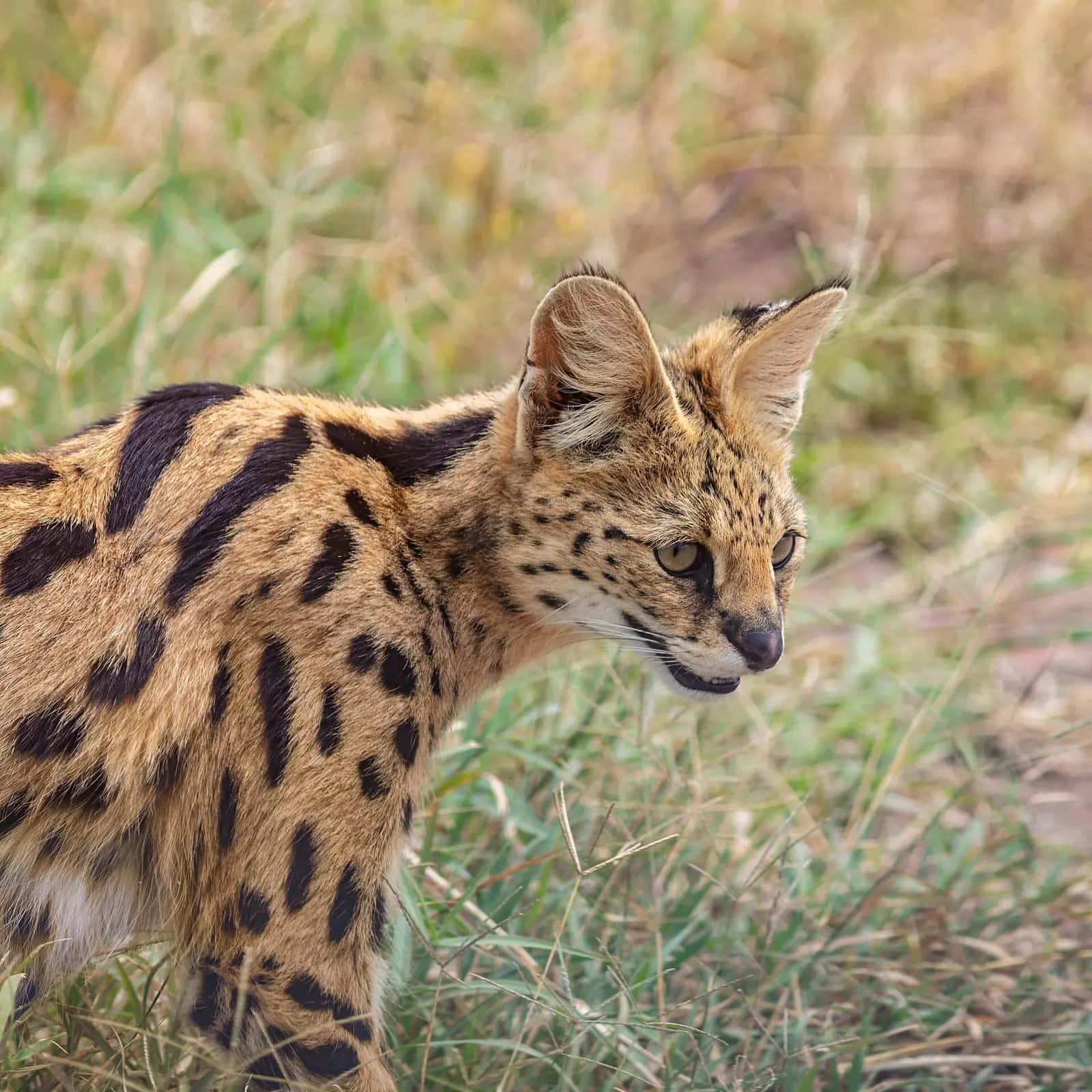
Leopard
Lake Manyara is famous for leopards that climb into sausage trees; everywhere else they are nocturnal and shy.
Primates
Olive baboon
Troops of two hundred cross the road at Ngurdoto Crater almost on schedule.
Rivers & lakes
Hippopotamus
The Tarangire and Ruaha rivers are loud with them at dusk as they leave the water to graze.
Nile crocodile
The Mara River crocodiles are the ones that wait for the wildebeest crossing in July and August.
Herds & grazers
Elephant
Tarangire is named for them; herds of a hundred gather on the river between June and November.
Cape buffalo
Huge herds move through the crater floor and the Tarangire riverine forest year-round.
Giraffe
The Masai giraffe of the Serengeti and the reticulated giraffe around Tarangire look different up close.
Birds
Greater & lesser flamingo
They read the soda lakes as one pink line. Lesser flamingos eat spirulina algae in the alkaline shallows; the count peaks after the short rains, roughly November to April, when the lakes widen.
Fish eagle & large raptors
A fish eagle calls over almost every water body in the country — the sound of an African morning.
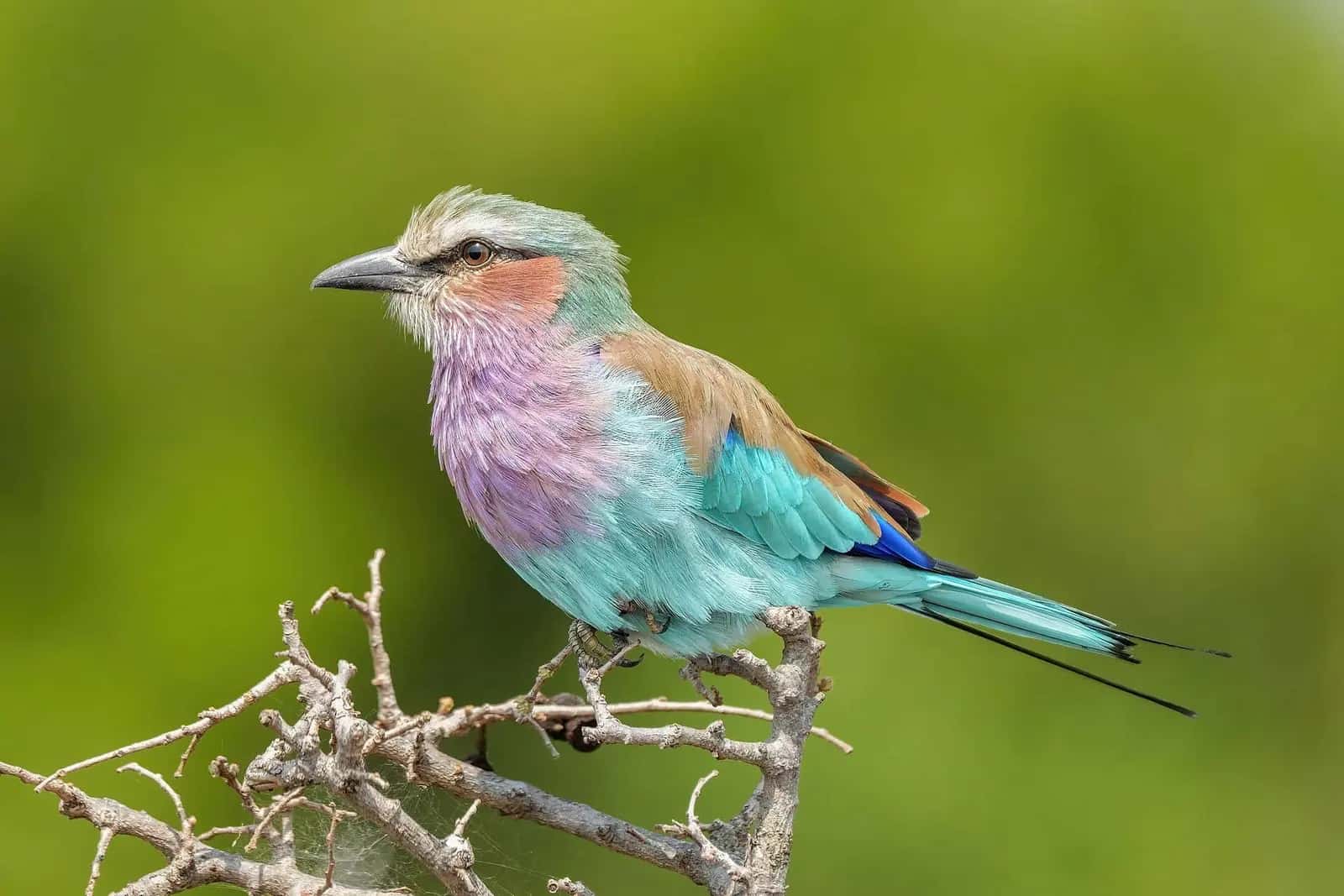
Weaver & kingfisher
Tarangire alone records over 550 species; the wet season from November to April is when the migrants arrive.
When to visit
June to October, and the short-rains green season for flamingo. These are the months our season planner already puts animals or conditions here:
Flamingos line the shores of Manyara and Natron, the crater rim clears of cloud, and the plains stay emerald with nowhere to be.
25°C · Long rains ending · crowds Low
As the dry season tightens, Tarangire’s baobabs frame hundreds of elephants packed along the shrinking river, and the first herds reach the north.
26°C · Dry season begins · crowds High
The southern plains flush green as the herds settle in for the season, and the first calves of the new year arrive before Christmas.
26°C · Short rains · crowds High
What to do here
Questions people ask about Lake Manyara National Park
Put Lake Manyara National Park into a real itinerary
Tell us who is travelling and when. We build the route around where the animals are standing that week, and price it properly — no hidden park fees at the gate.