
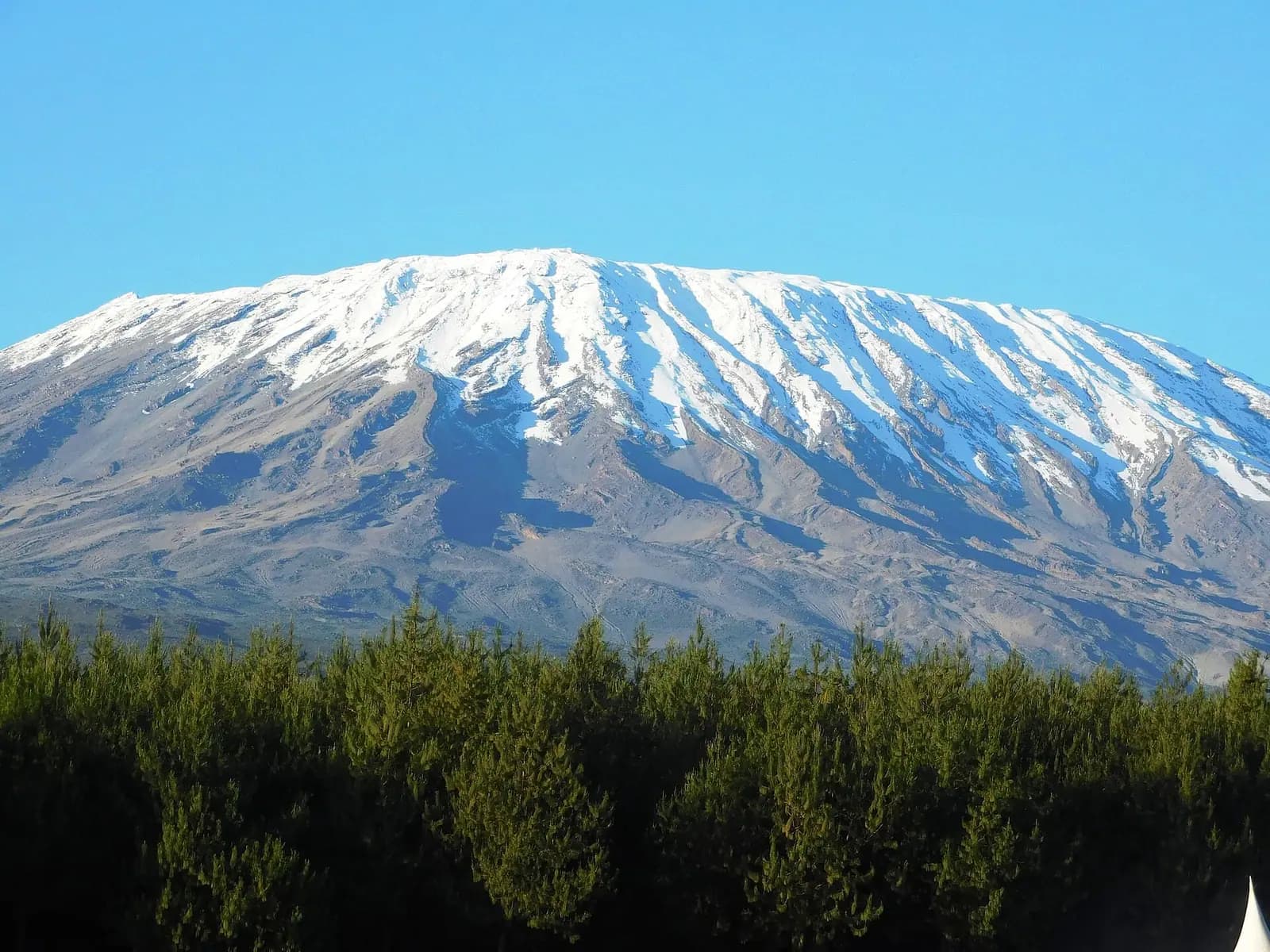
Mount Kilimanjaro
The 'Roof of Africa' and the world's highest free-standing mountain. A challenge for hikers and a stunning backdrop for any Tanzanian adventure.
What you come here for
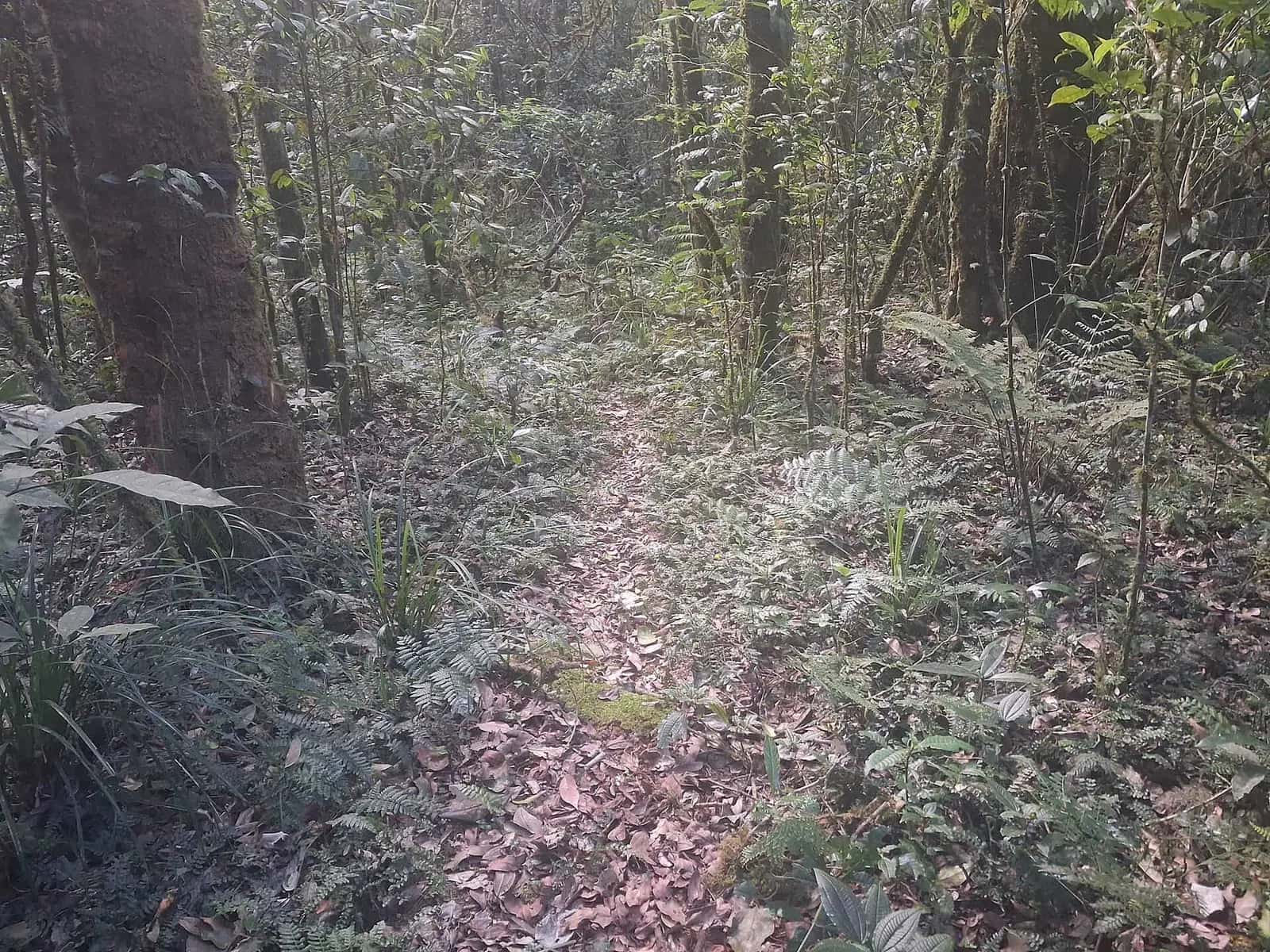
- Colobus and blue monkey in the rainforest belt
- Elephant and buffalo, rarely, on the Shira plateau side
- Sunbird and turaco in the forest; above the treeline there is almost nothing but insects
- The mountain itself is the wildlife story, not the animals
Height
5,895 m, the highest point in Africa
Type
A free-standing dormant volcano with three cones
Status
UNESCO World Heritage Site
Zones
Rainforest, moorland, alpine desert and arctic summit
Best time
January to mid-March and June to October, the two driest windows
The shaded block is the boundary as it is mapped; the inset is the whole country, so you can see how far this is from anywhere else. Boundaries are indicative at this scale, not survey data.
On the map
Where Mount Kilimanjaro sits
Mount Kilimanjaro is part of the Northern Circuit, which is how we usually build it into a route rather than visiting it on its own.
Nearby, on the same circuit
- Height
- 5,895 m, the highest point in Africa
- Type
- A free-standing dormant volcano with three cones
- Status
- UNESCO World Heritage Site
- Zones
- Rainforest, moorland, alpine desert and arctic summit
The animals
Who lives here, and what to look for
3 of the animals we track across Tanzania are recorded in Mount Kilimanjaro. What each one means on an actual drive is below — this is what your guide is scanning for.
Big cats
Leopard
Lake Manyara is famous for leopards that climb into sausage trees; everywhere else they are nocturnal and shy.
Primates
Olive baboon
Troops of two hundred cross the road at Ngurdoto Crater almost on schedule.
Herds & grazers
Elephant
Tarangire is named for them; herds of a hundred gather on the river between June and November.
When to visit
January to mid-March and June to October, the two driest windows. These are the months our season planner already puts animals or conditions here:
What to do here
Safaris that include Mount Kilimanjaro
Questions people ask about Mount Kilimanjaro
Put Mount Kilimanjaro into a real itinerary
Tell us who is travelling and when. We build the route around where the animals are standing that week, and price it properly — no hidden park fees at the gate.