
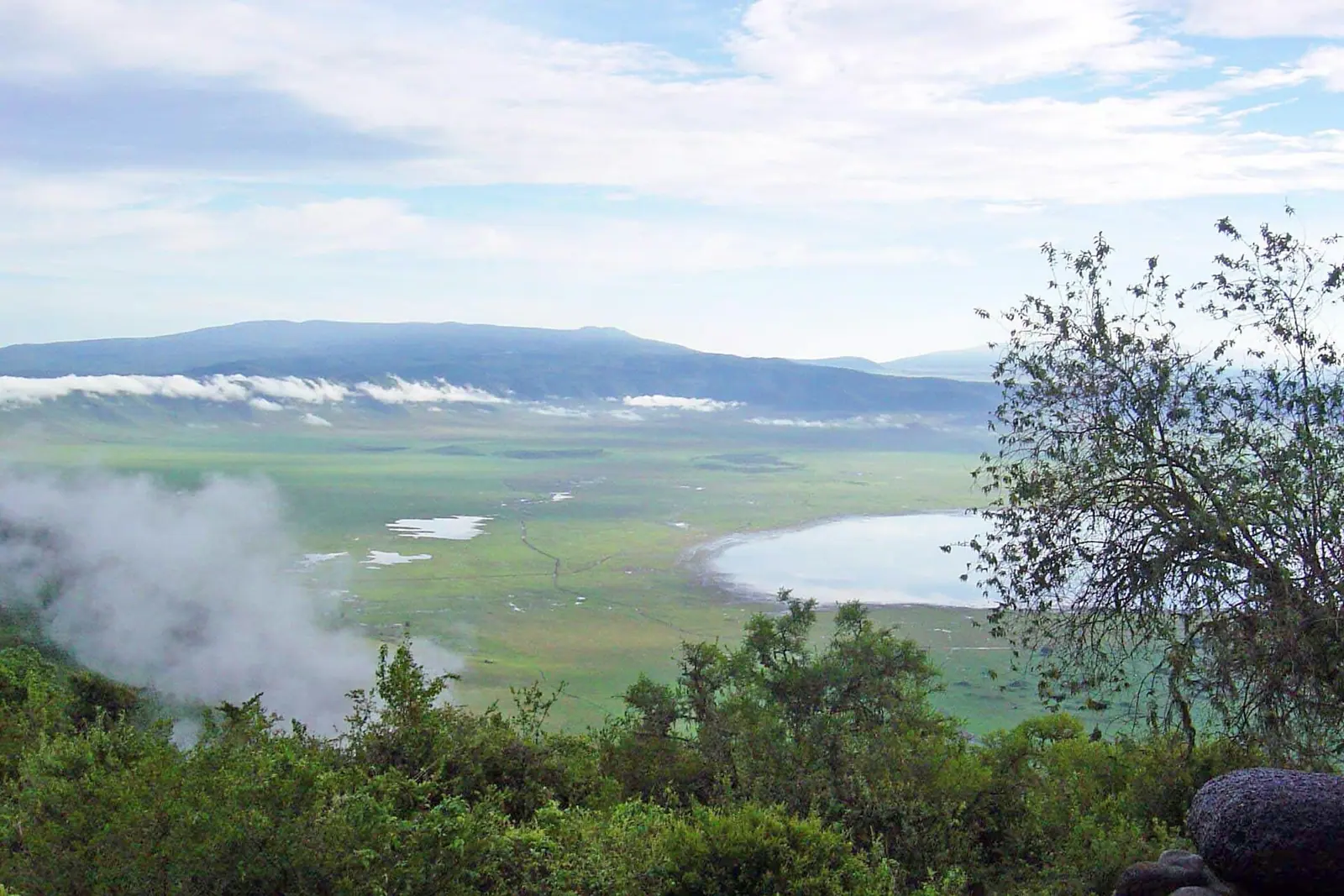
Ngorongoro Crater
A UNESCO World Heritage site and the world's largest inactive, intact volcanic caldera, home to a dense population of over 25,000 large animals.
What you come here for
- Black rhino, the most reliable place in East Africa to see one
- Around 25,000 large animals on the crater floor alone
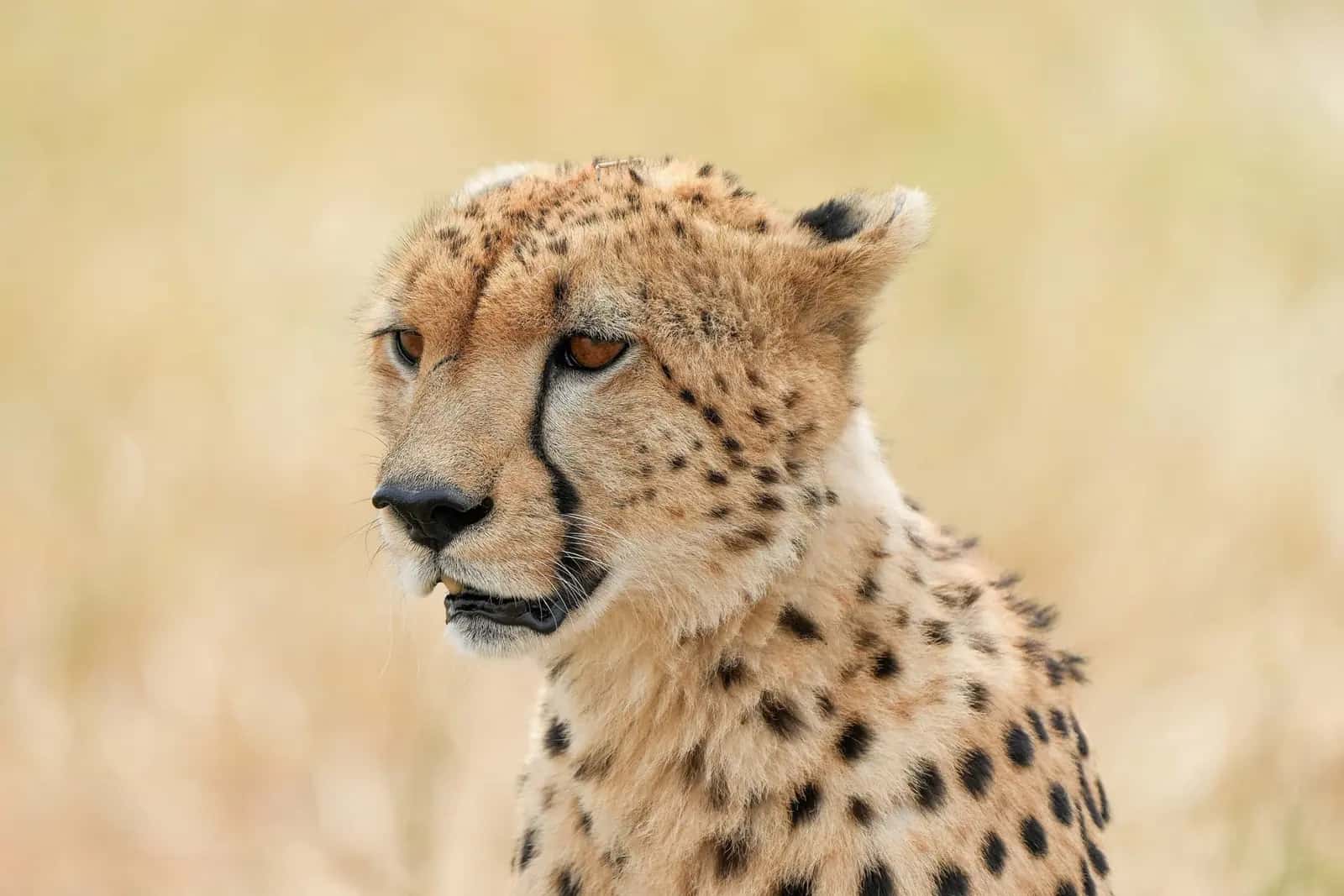
- Lion, cheetah and spotted hyena on the open grass
- Flamingo and hundreds of waterbirds on Lake Makat, depending on the season
- Elephant, buffalo, zebra and eland sharing the same bowl
The caldera
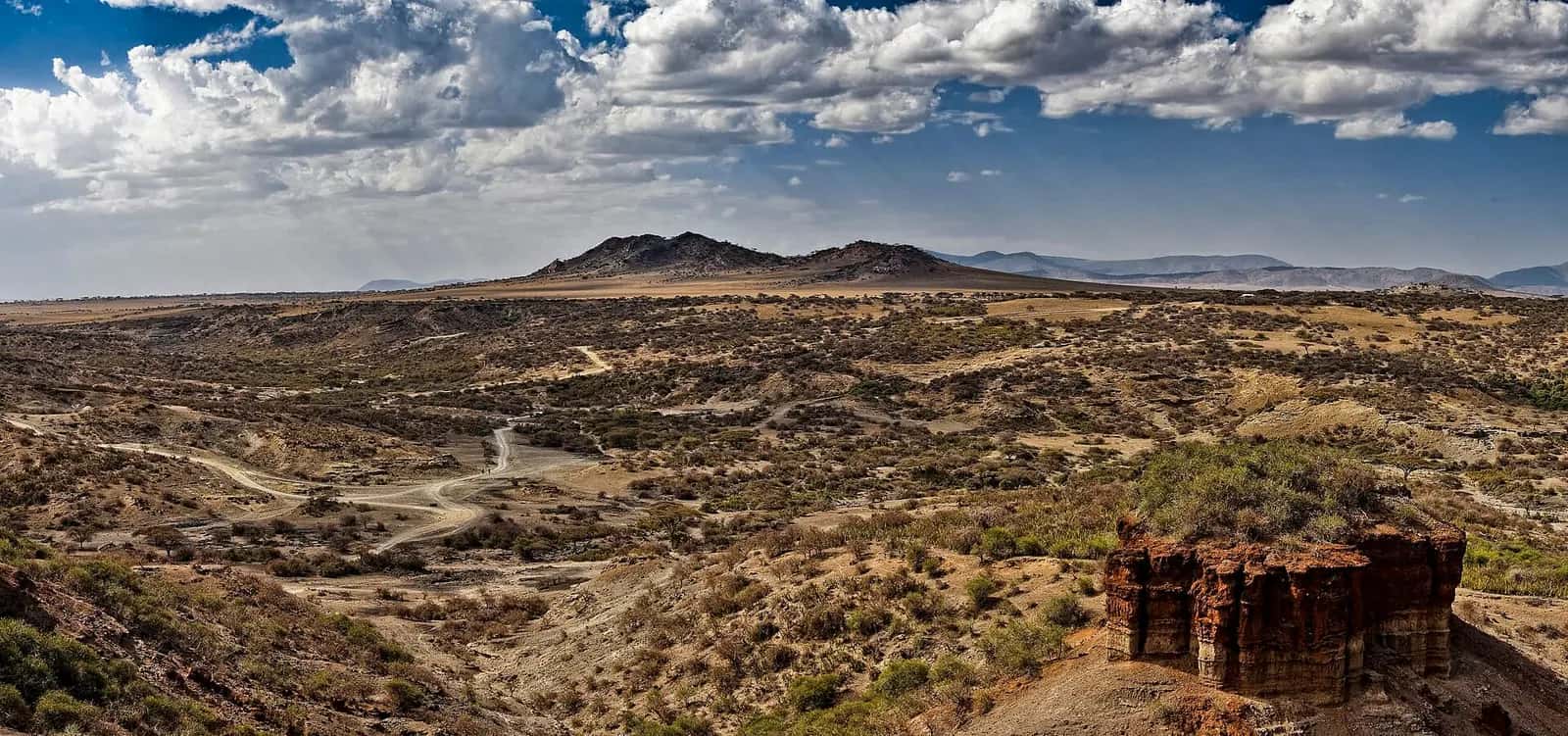
About 20 km wide, walls close to 600 m high
Conservation area
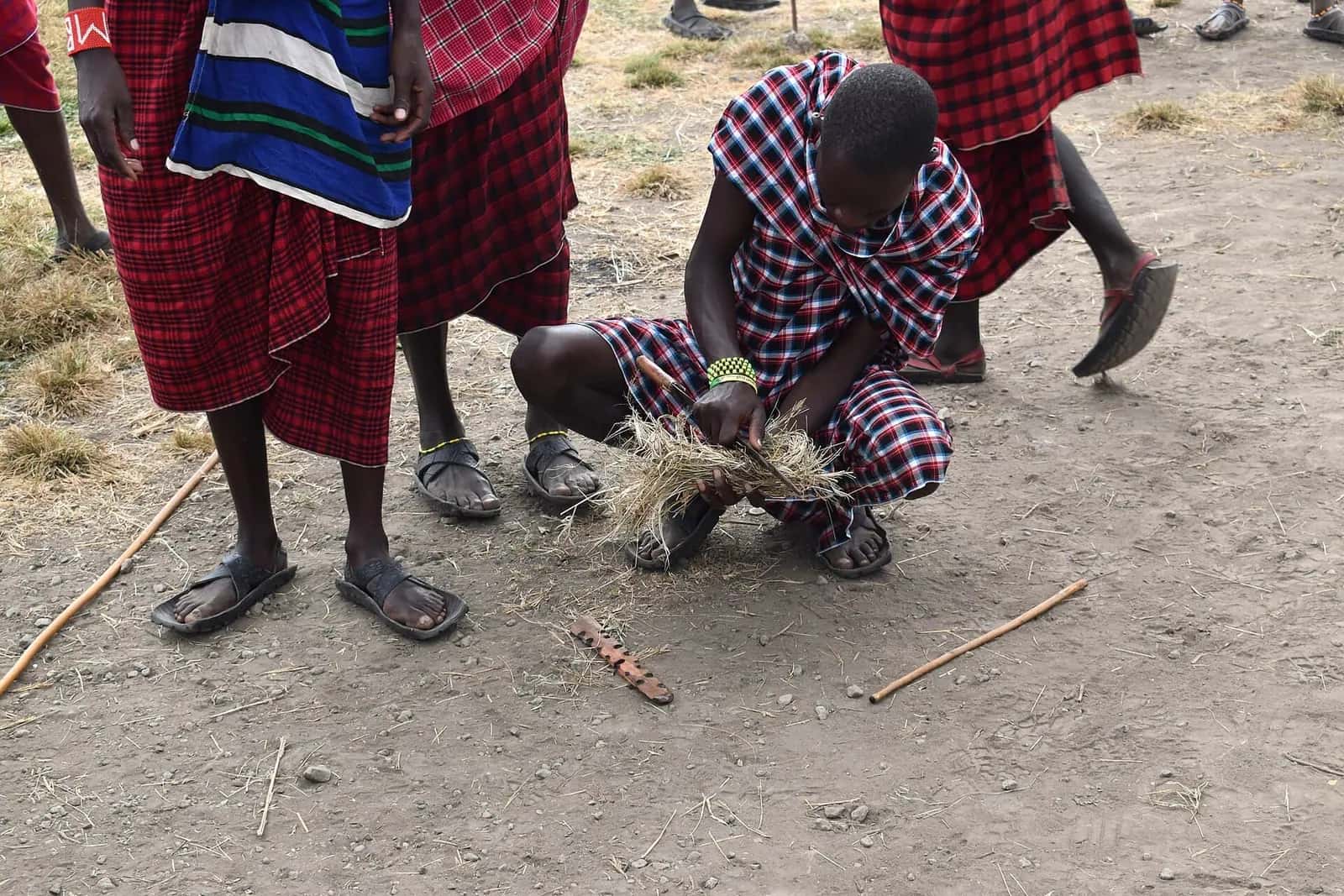
Roughly 8,292 km², inhabited by Maasai pastoralists
Status
UNESCO World Heritage Site since 1979
Altitude
Crater rim sits near 2,300 m, so mornings are cold
Best time
June to October, and January to February on the crater rim
The shaded block is the boundary as it is mapped; the inset is the whole country, so you can see how far this is from anywhere else. Boundaries are indicative at this scale, not survey data.
On the map
Where Ngorongoro Crater sits
Ngorongoro Crater is part of the Northern Circuit, which is how we usually build it into a route rather than visiting it on its own.
Nearby, on the same circuit
- The caldera
- About 20 km wide, walls close to 600 m high
- Conservation area
- Roughly 8,292 km², inhabited by Maasai pastoralists
- Status
- UNESCO World Heritage Site since 1979
- Altitude
- Crater rim sits near 2,300 m, so mornings are cold
The animals
Who lives here, and what to look for
13 of the animals we track across Tanzania are recorded in Ngorongoro Crater. What each one means on an actual drive is below — this is what your guide is scanning for.
Big cats
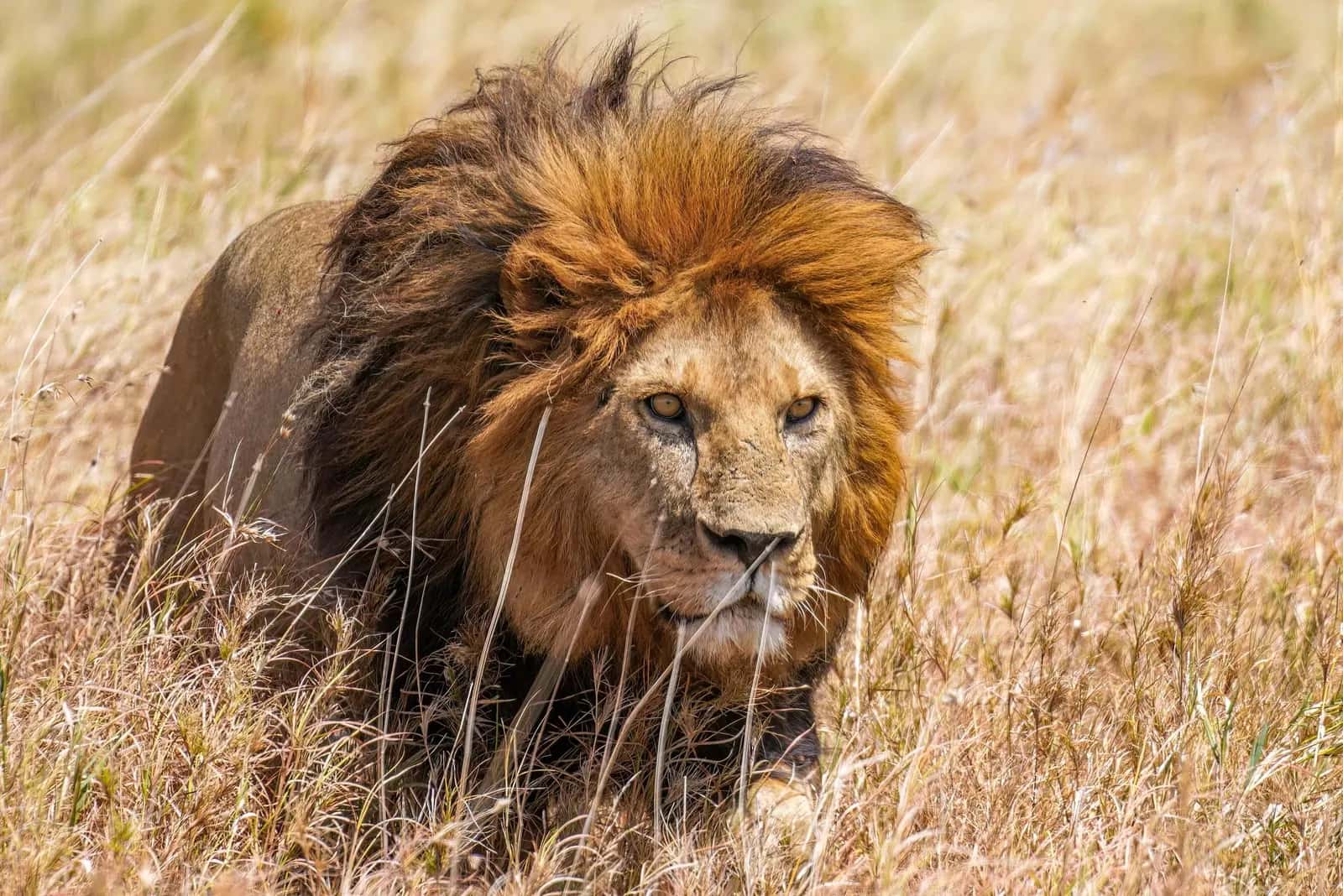
Lion
Serengeti and Ruaha hold the biggest populations; Ngorongoro is the most reliable place to see them any day of the year.
Leopard
Lake Manyara is famous for leopards that climb into sausage trees; everywhere else they are nocturnal and shy.
Rare & hard to see
Black rhinoceros
The crater floor carries a small, closely guarded family group — the most dependable place to see one.
Mongoose & meerkats
Banded and dwarf mongoose live in the kopjes; see them standing sentry on a termite mound.
Butterflies & pollinators
Kitulo is called the Serengeti of Flowers for a reason: in the green season its plateau runs to thousands of orchids and the butterflies that follow them.
Honey bees
Beekeeping and forest honey visits are run with village cooperatives around the Udzungwa and Ngorongoro highlands.
Herds & grazers
Cape buffalo
Huge herds move through the crater floor and the Tarangire riverine forest year-round.
Giraffe
The Masai giraffe of the Serengeti and the reticulated giraffe around Tarangire look different up close.
Plains zebra
Part of the two-million-animal migration loop; calving happens on the southern plains in February.
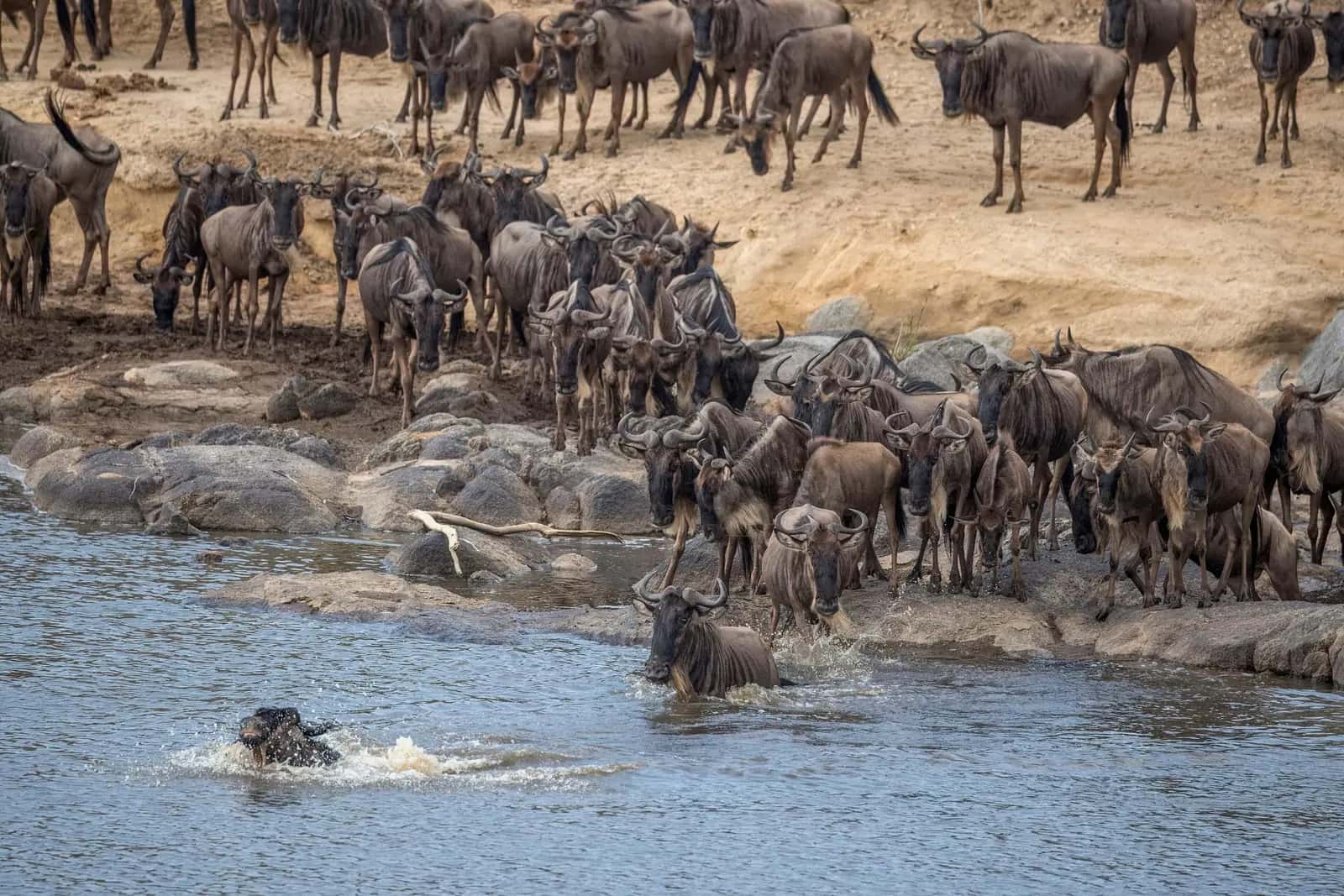
Wildebeest
The engine of the migration — follow the herds from Ndutu in February to the Mara River in July and August.
Birds
Greater & lesser flamingo
They read the soda lakes as one pink line. Lesser flamingos eat spirulina algae in the alkaline shallows; the count peaks after the short rains, roughly November to April, when the lakes widen.
Grey crowned crane
The national bird of Tanzania, dancing in the highland grasslands around Kitulo.
White-backed & hooded vulture
They gather where the migration is crossing, and nest on the cliff forests of the Ngorongoro escarpment.
When to visit
June to October, and January to February on the crater rim. These are the months our season planner already puts animals or conditions here:
Tens of thousands of wildebeest calve within days across the Ndutu grasses, and every predator in the ecosystem gathers for the easiest season of the year.
27°C · Short rains easing · crowds High
The herds hold the southern plains, so lions, cheetah and leopard hunt in the open from dawn to dusk rather than waiting in cover.
28°C · Dry · crowds High
Flamingos line the shores of Manyara and Natron, the crater rim clears of cloud, and the plains stay emerald with nowhere to be.
25°C · Long rains ending · crowds Low
What to do here
Safaris that include Ngorongoro Crater
Priced
on request
priced per departure
Questions people ask about Ngorongoro Crater
Put Ngorongoro Crater into a real itinerary
Tell us who is travelling and when. We build the route around where the animals are standing that week, and price it properly — no hidden park fees at the gate.